

Philippines Denies Illegal Entry Into Chinese-Controlled Waters

Tensions in the South China Sea continue to simmer as the Philippines denies allegations of illegal entry into Chinese-controlled waters. The Philippines’ steadfast response highlights the persistent disputes over territorial claims in the region. The South China Sea has long been a flashpoint, with multiple nations vying for control of its islands, reefs, and maritime resources. The 2016 Arbitral Ruling invalidated China’s expansive claims, but Beijing has adamantly rejected the decision, exacerbating the conflict. The situation carries significant implications for regional stability, maritime security, and global trade routes, making it a matter of international concern.
Redefining the Bank of England’s Role-A Deeper Look at the Resolution Foundation’s Proposals

The Resolution Foundation’s bold proposals for reshaping the Bank of England’s role could mark a significant turning point in the UK’s economic strategy. Their call to increase the inflation target to 3% seeks to equip the bank with enhanced tools to manage future economic shocks effectively. Although unconventional, the notion of employing negative interest rates as a monetary policy tool could potentially breathe new life into the country’s economic recovery efforts. However, this transformation would mark a radical shift, potentially significantly reshaping the financial landscape. As the world grapples with ongoing economic uncertainties, the call for a “policy reset” echoes the necessity for adaptability and resilience in a rapidly changing financial environment.
The Bank of England’s Vigilant Monitoring of Interest Rates Maintains Stability in the Face of Economic Uncertainty

The Bank of England’s upcoming interest rate decision underscores the fine balance it must strike in managing inflation and supporting the economy in the post-pandemic era. Recent comments from officials suggest confidence in the impact of previous rate hikes on tempering inflation, but the economic landscape remains uncertain. With rising inflation and fluctuating economic data, the MPC faces the challenge of making a well-informed decision. While a majority is expected to favor unchanged rates, some more hawkish members will likely push for a slight rate hike. The decision aligns with global central banks’ efforts to combat inflation while nurturing economic growth.
Omantel’s Strategic Financial Moves; Postponement of Sukuk Issuance and Bridge Loan Acquisition

Omantel’s recent financial moves, including the postponement of the Sukuk issuance and the acquisition of a bridge loan, have caught the attention of the financial world. The decision to delay the Sukuk issuance is indicative of Omantel’s careful financial planning, showing its willingness to navigate through the complexities of ever-changing market conditions. While specific market challenges were not outlined in the announcement, the move reflects the company’s adaptability and prudence. Simultaneously, the bridge loan acquisition ensures the company’s immediate financial stability, alleviating concerns about the impending bond maturity. Omantel’s future financial endeavours will depend on its ability to monitor market conditions and seize opportunities when they arise.
Thailand’s New Prime Minister Pledges Swift Action on Economic Challenges
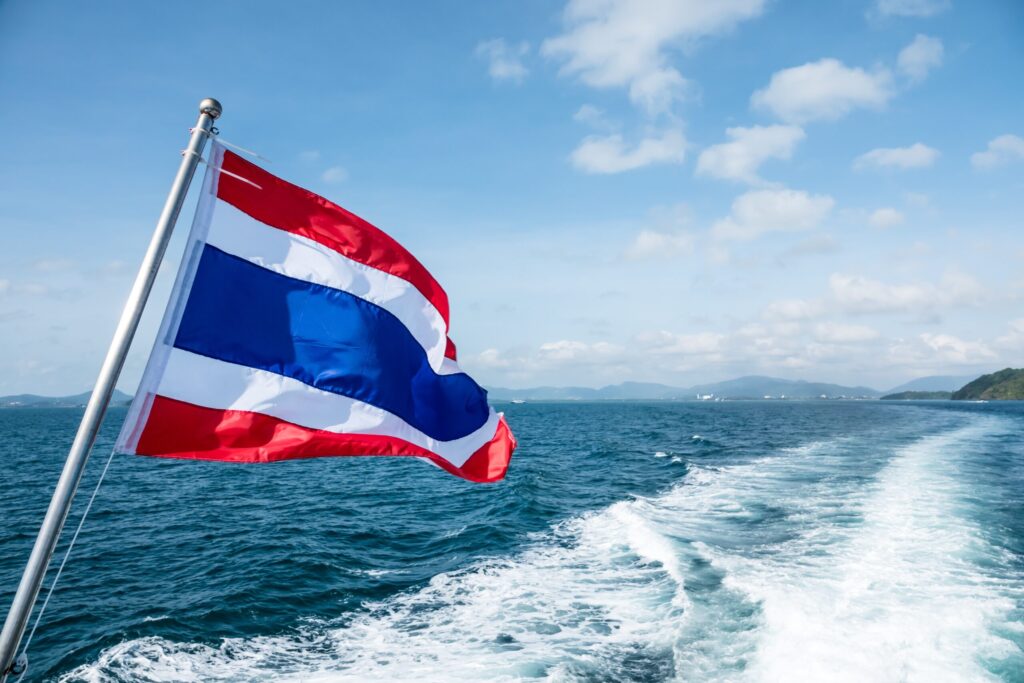
In his inaugural address to Parliament, Thailand’s new Prime Minister, Srettha Thavisin, has set a proactive agenda for addressing the nation’s economic woes. With the pandemic’s impact on the vital tourism industry and rising debt levels, he emphasized the urgency of these measures. Of particular note is the proposed 10,000-baht ($280) handout to stimulate short-term spending, though its long-term effectiveness remains a subject of debate. The government also outlined ambitious long-term goals, including bolstering international trade, supporting start-ups, and enhancing agricultural production, signaling a comprehensive approach to economic revitalization. Additionally, plans for political reforms, particularly involving the military’s role, were diplomatically addressed to ensure transparency and cooperation.
U.S. Federal Reserve Unveils 2023 Bank Stress Test Results

In a testament to the strength of the U.S. banking sector, the Federal Reserve’s unveiling of the 2023 bank stress test results showcased the industry’s resilience while shedding light on potential areas of concern. These annual evaluations, designed to simulate severe economic downturns, have become vital in safeguarding the financial system. While the tests revealed banks’ improved ability to navigate challenging scenarios, they also emphasized the need to address vulnerabilities. With a focus on maintaining stability and preparing for future economic challenges, stress tests play a critical role in shaping the future of the banking industry.
Middle East’s Asset Management Industry Outperforms Global Trends, Fosters Transformation

In a remarkable feat, the asset management industry in the Middle East has defied global economic challenges, recording a growth rate of 7% in 2022 and reaching a staggering $1.3 trillion in assets under management. This accomplishment starkly contrasts the global trend, where the asset management industry witnessed a decline of 10%. According to a Boston Consulting Group (BCG) report, asset managers in the region are urged to transform their businesses in the face of market uncertainties, fee compression, rising costs, and technological advancements. The Middle East’s positive growth outlook, driven by higher oil income and favourable equity market developments, sets it apart from its global counterparts. However, the report emphasizes the need for asset managers to adapt and diversify their revenue streams while leveraging technology to create unique client experiences. This transformation is crucial for sustained profitability in an ever-changing market landscape. By embracing change and exploring alternative investments, asset managers in the Middle East can position themselves as leaders in the global market.
Oman Witnesses A Surging Demand for Postpaid Mobile and Internet Subscriptions

In a remarkable shift, Oman’s telecommunications sector has experienced a surge in postpaid mobile and internet subscriptions, signaling a change in consumer preferences and a rising demand for data usage. With an impressive growth of nearly 24% in postpaid mobile subscribers and a corresponding 9.3% increase in prepaid subscribers, telecom operators have quickly adapted to this evolving landscape. As Oman embraces the digital era, the expansion of international internet bandwidth capacity and the robust growth of domestic telecom giants like Omantel and Ooredoo Oman paint a promising picture for the future.
Global Pension Systems Ill-Prepared to Deal with Demographic Changes

Life expectancy has declined in many countries due to COVID-19 pandemic, but pensions systems across the world has remained ill-prepared to deal with demographic changes as the ageing of societies continues to accelerate, according to a new report from Allianz.
Mobile Sector Adds $5.2 Trillion to Global Economy

Mobile technologies and services generated 5% of global GDP, a contribution that amounted to $5.2 trillion of economic value added. The greatest benefits came from productivity effects, which reached $3.5 trillion, followed by mobile operators, which generated $650 billion.