

Philippines Denies Illegal Entry Into Chinese-Controlled Waters

Tensions in the South China Sea continue to simmer as the Philippines denies allegations of illegal entry into Chinese-controlled waters. The Philippines’ steadfast response highlights the persistent disputes over territorial claims in the region. The South China Sea has long been a flashpoint, with multiple nations vying for control of its islands, reefs, and maritime resources. The 2016 Arbitral Ruling invalidated China’s expansive claims, but Beijing has adamantly rejected the decision, exacerbating the conflict. The situation carries significant implications for regional stability, maritime security, and global trade routes, making it a matter of international concern.
China’s Disputed Shoal Encounter Prompts Tensions with Philippines
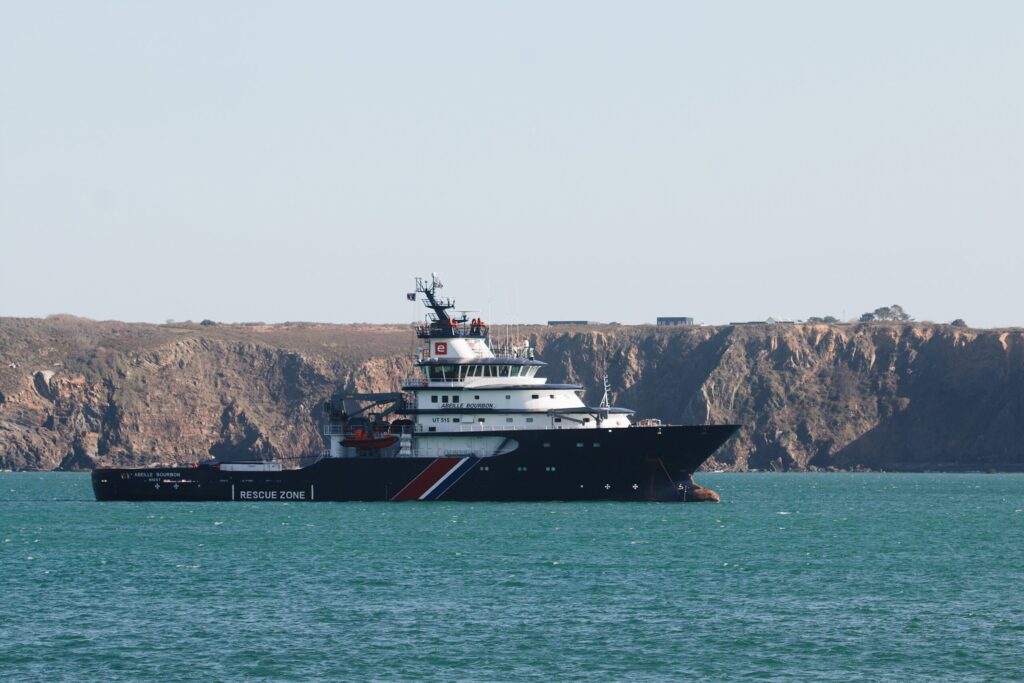
An incident at the Scarborough Shoal has ratcheted tensions between the Philippines and China as conflicting accounts of a naval encounter emerged. The disputed shoal remains a flashpoint for sovereignty and fishing rights despite international efforts to address these disputes. The ongoing rivalries in the South China Sea pose a significant challenge to regional stability, involving nations like the Philippines, China, Vietnam, and Taiwan. The incident underscores the need for diplomatic solutions to avoid further escalation in this strategically vital and resource-rich region. President Ferdinand Marcos’s pro-U.S. stance adds complexity to the Philippines-China relationship, making this dispute a focal point in the ongoing struggle for control and influence.
EXCLUSIVE Qatar targets $10 billion of investments in U.S. ports -sources
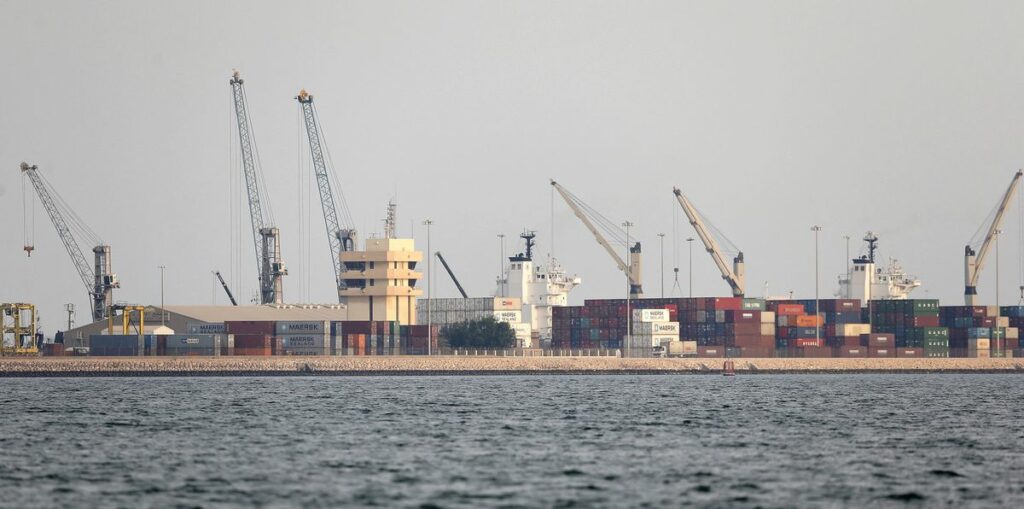
Qatar plans to invest at least $10 billion in U.S. ports and has approached international banks for financing help, three finance sources say, in an infrastructure spree that reflects the Gulf country’s deepening ties with Washington.