



Derby is strengthening its position as one of Europe’s most strategically important aerospace manufacturing centers as Rolls-Royce Holdings accelerates investment in advanced aviation engines, sustainable propulsion systems, and next-generation aerospace technologies. The latest developments highlight the city’s growing importance within the UK’s aviation and advanced engineering ecosystem at a time when global air travel demand continues recovering strongly.
The Derby-headquartered aerospace giant recently reported strong operational momentum across its Civil Aerospace division, driven by rising engine flying hours, increasing aftermarket demand, and expanding international airline activity. According to the company’s latest trading update, large engine flying hours reached 115% of 2019 pre-pandemic levels during the first quarter of 2026, reflecting continued strength in long-haul aviation markets.
Industry analysts say the recovery in international travel demand is creating renewed momentum for aircraft engine manufacturers, particularly companies heavily exposed to widebody aircraft and premium long-haul travel. Derby remains central to this resurgence, serving as the core engineering and production hub for many of Rolls-Royce’s flagship civil aerospace programs.
Rolls-Royce Holdings stated that demand for widebody aircraft engines continues to strengthen globally, supported by increased international passenger traffic, fleet modernization programs, and rising airline investment in fuel-efficient aircraft. The company also maintained its full-year financial guidance for 2026, citing strong performance across aerospace, defense, and power systems operations.
One of the most closely watched developments emerging from Derby’s aerospace ecosystem is the company’s ongoing work in sustainable aviation propulsion. Rolls-Royce and airline partner easyJet recently achieved a major engineering milestone after successfully running a modified Pearl 15 engine at full take-off power using 100% hydrogen fuel during ground testing. The breakthrough is being viewed as a significant advancement in the future of zero-emission aviation technology. (Aircraft Insider)
Aviation experts believe hydrogen-powered propulsion systems could eventually play a major role in reducing carbon emissions across the global aviation industry, particularly as regulators and airlines intensify pressure for cleaner air travel solutions. Derby’s engineering base is expected to remain central to Britain’s long-term aviation decarbonization strategy.
The city has historically been one of the UK’s most important aerospace manufacturing centers, supporting thousands of high-skilled engineering and advanced manufacturing jobs. Rolls-Royce’s Derby facilities continue to anchor a large regional supply chain involving precision engineering firms, component manufacturers, digital technology providers, and aerospace research institutions.
The broader UK aerospace sector is also receiving increased government support as Britain seeks to strengthen domestic manufacturing capability and maintain competitiveness against major global aviation markets. Recent UK industrial funding programs have allocated significant investment toward clean aviation technology, lightweight materials research, hydrogen propulsion infrastructure, and advanced aerospace manufacturing systems. (Reuters)
Industry observers note that Derby’s aerospace ecosystem benefits from deep engineering expertise developed over decades of aircraft engine production. The city’s workforce specialization in turbine systems, materials science, digital engineering, and propulsion technology continues attracting long-term aerospace investment despite broader economic uncertainty.
At the same time, the global aviation industry is entering a major fleet renewal cycle as airlines seek more fuel-efficient aircraft to reduce operational costs and meet sustainability commitments. This shift is expected to create substantial long-term demand for next-generation aerospace engines and aftermarket maintenance services.
Rolls-Royce Holdings has also been expanding its role beyond traditional aviation markets. Alongside civil aerospace growth, the company continues investing in defense aviation, nuclear energy systems, and power generation technologies as part of a broader diversification strategy.
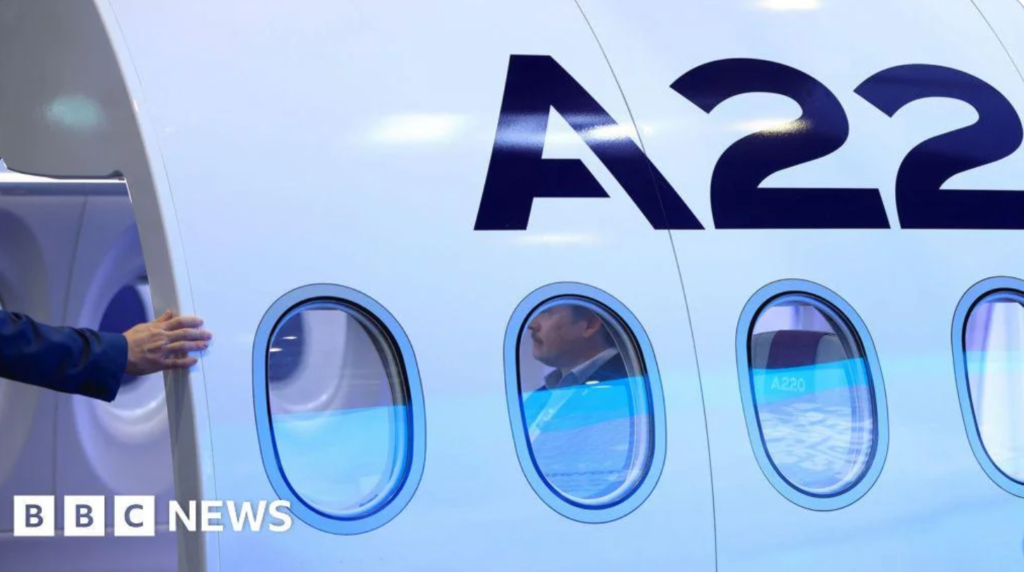
Recent aerospace market activity has further reinforced confidence in the UK’s aviation manufacturing sector. Large international aircraft orders involving Airbus and long-haul carriers continue supporting demand for UK-built aerospace components and engine systems. Industry discussions across aviation forums and manufacturing communities increasingly highlight Britain’s continued importance within global aerospace supply chains.
Source: Reddit
Derby’s position within the aviation industry is also being strengthened by the rise of digitally integrated manufacturing systems. Aerospace companies are increasingly deploying AI-driven predictive maintenance, advanced simulation platforms, and automated production technologies to improve efficiency and reduce operational downtime.
Despite positive momentum, challenges remain across the global aerospace sector. Supply chain constraints, aircraft delivery delays, skilled labor shortages, and geopolitical disruptions continue affecting aviation manufacturers worldwide. However, aerospace companies with strong aftermarket exposure and advanced technology portfolios are generally viewed as better positioned to navigate these pressures.
Analysts say Rolls-Royce’s transformation program has significantly improved investor confidence in the company’s long-term outlook, particularly as global aviation activity continues normalizing. The company’s diversified revenue streams and strong aftermarket business have helped stabilize performance while supporting future investment into clean aviation technologies.
The wider East Midlands region is meanwhile benefiting from increased visibility as a center for high-value manufacturing and aerospace engineering. Regional development groups continue emphasizing advanced manufacturing, aviation technology, and energy innovation as key drivers of long-term economic growth.
As airlines expand fleets and global travel demand continues rising, Derby is expected to remain one of Britain’s most strategically important aviation cities, anchored by world-leading aerospace engineering capability and long-term investment in sustainable propulsion systems.
With Rolls-Royce Holdings continuing to scale next-generation aviation technologies from its Derby operations, the city is positioned to play a central role in shaping the future of global aerospace innovation throughout 2026 and beyond.