
‘It’s my home’: the island activist who forced German climate action
If the North Sea island of Pellworm vanishes beneath the


If the North Sea island of Pellworm vanishes beneath the

A tornado tore through the southern U.S. city of Tupelo

South Africa will clamp down on captive lion breeding after
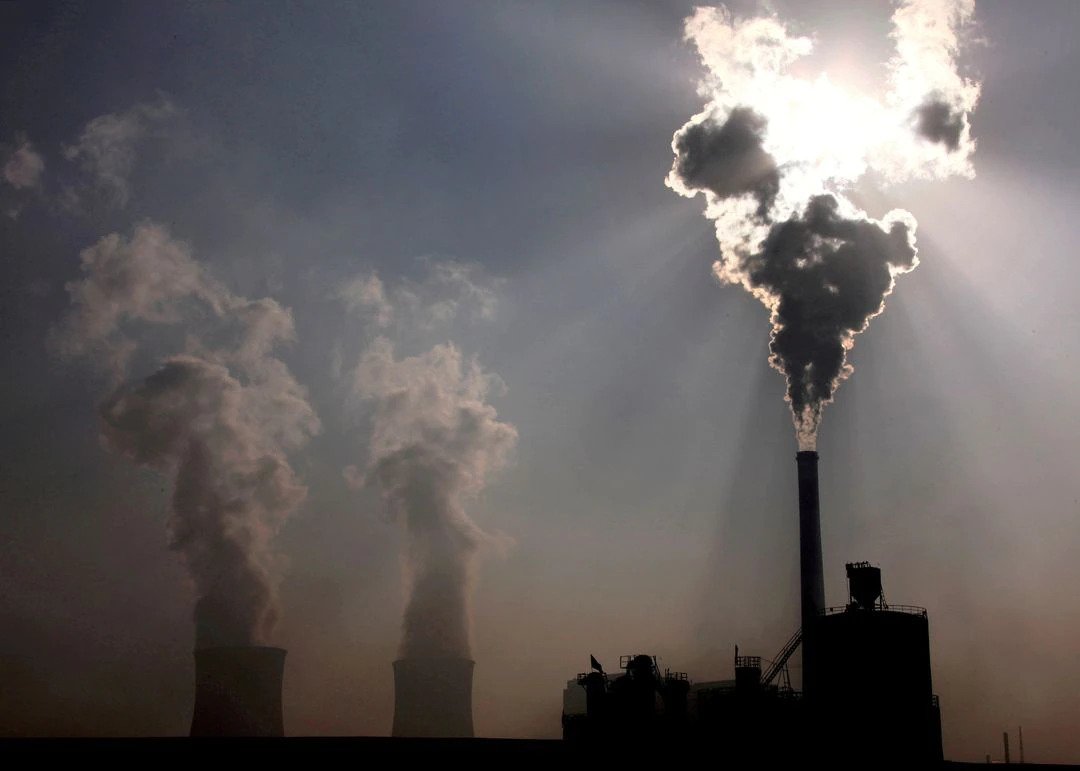
A group of non-governmental organisations called on the Asian Development

Brazilian President Jair Bolsonaro said on Saturday that his government

California’s forest carbon offset program has generated tens of millions

The social cost of carbon is a monetary metric for the damage caused by the emission of an additional tonne of CO2. Previous literature has shown that accounting for inequality between countries significantly influences the social cost of carbon, but mostly omits heterogeneity below the national level. Using a model that features heterogeneity both between and within countries, this column demonstrates that climate and distributional policy can generally not be separated. In particular, it shows that a higher social cost of carbon may be called for globally under realistic expectations of existing inequality.
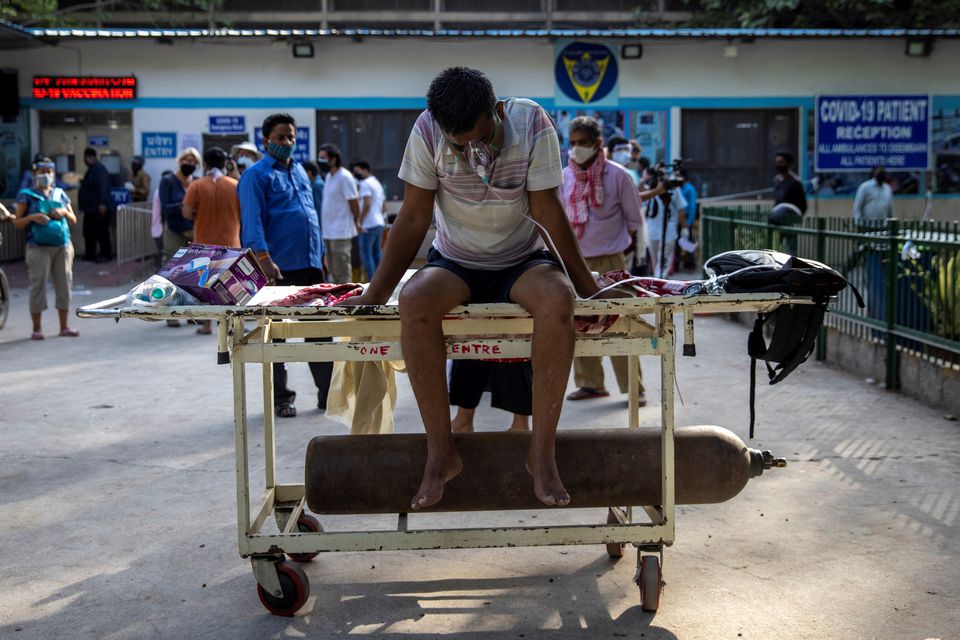
India’s coronavirus infections rose by 346,786 overnight, the health ministry

Most of the discussion on the economic policy response to the pandemic in Europe has centred on its ambition, tools, and institutional characteristics. Less discussion has taken place on the factors shaping EU integration and economic policy priorities after the pandemic. In a new CEPR Policy Insight, the authors argue that four sets of issues will be important in shaping the legacy of the pandemic for European integration: redefining the new boundaries between state and market; revisiting the nature of subsidiarity; reconnecting the EU domestic with the global agenda; and learning to respond to longer term structural shifts.
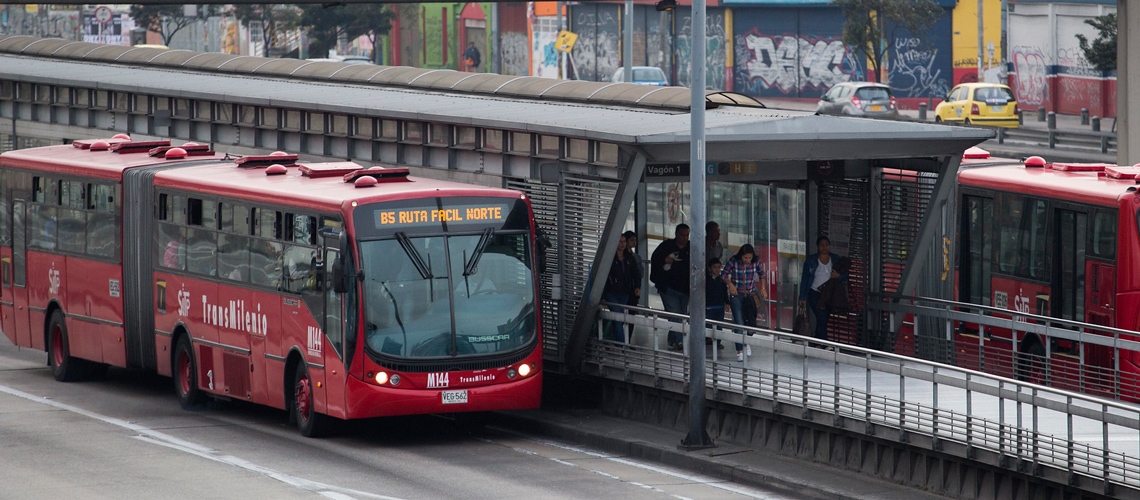
At a time when we face enormous challenges brought on by the COVID-19 pandemic, it is heartening to see the world mobilizing as never before to tackle the looming crisis of global warming.
If the North Sea island of Pellworm vanishes beneath the
A tornado tore through the southern U.S. city of Tupelo
South Africa will clamp down on captive lion breeding after
A group of non-governmental organisations called on the Asian Development
Brazilian President Jair Bolsonaro said on Saturday that his government
California’s forest carbon offset program has generated tens of millions
The social cost of carbon is a monetary metric for the damage caused by the emission of an additional tonne of CO2. Previous literature has shown that accounting for inequality between countries significantly influences the social cost of carbon, but mostly omits heterogeneity below the national level. Using a model that features heterogeneity both between and within countries, this column demonstrates that climate and distributional policy can generally not be separated. In particular, it shows that a higher social cost of carbon may be called for globally under realistic expectations of existing inequality.
India’s coronavirus infections rose by 346,786 overnight, the health ministry
Most of the discussion on the economic policy response to the pandemic in Europe has centred on its ambition, tools, and institutional characteristics. Less discussion has taken place on the factors shaping EU integration and economic policy priorities after the pandemic. In a new CEPR Policy Insight, the authors argue that four sets of issues will be important in shaping the legacy of the pandemic for European integration: redefining the new boundaries between state and market; revisiting the nature of subsidiarity; reconnecting the EU domestic with the global agenda; and learning to respond to longer term structural shifts.
At a time when we face enormous challenges brought on by the COVID-19 pandemic, it is heartening to see the world mobilizing as never before to tackle the looming crisis of global warming.