



For many travellers, purchasing travel insurance is one of the final items on a pre-departure checklist. People get travel insurance coverage, store the policy somewhere safe along with their passports and other documents, then forget about the product entirely until something unfortunate happens during the journey.
However, the role of travel insurance coverage becomes fully apparent during medical emergencies overseas. Illnesses, accidents, unexpected hospitalizations, or any health-related complications occurring abroad can instantly raise several questions that nobody had considered asking prior to departure.
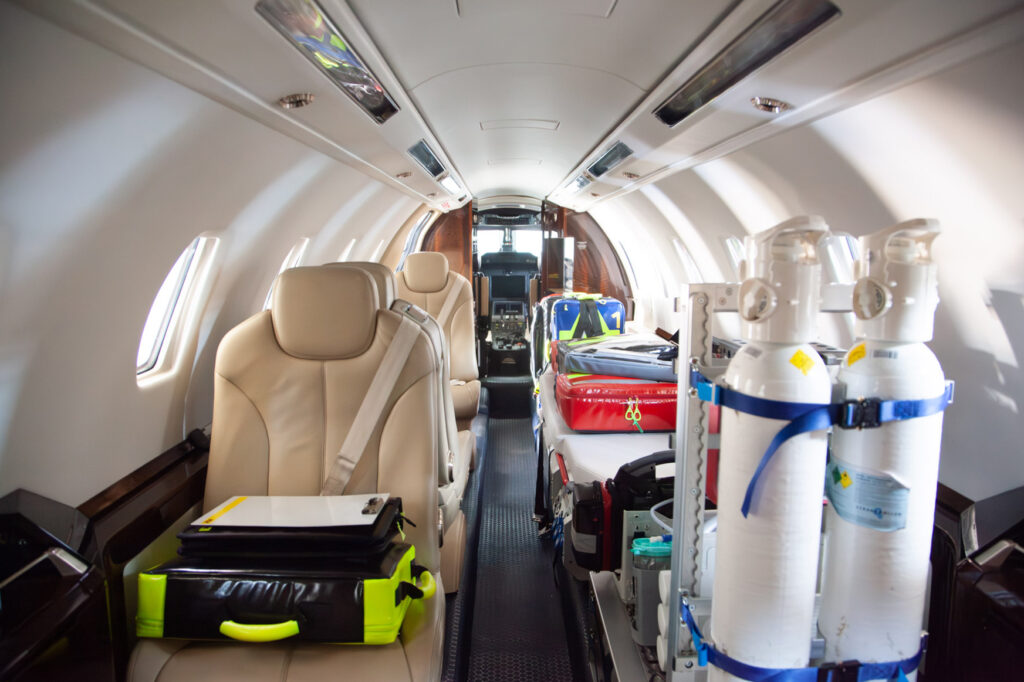
Among these concerns is whether travel insurance coverage will pay for the cost of getting a passenger home or transferring them to another destination. As simple as the question might sound, the answer tends to be much more complex.
Many travelers assume their travel insurance will always cover any medical evacuation and transport back home after an incident abroad. While many insurance policies include such benefits, differences in wording, patient condition, coverage amounts, transportation type, and insurer preferences can significantly affect coverage.
Understanding these discrepancies before traveling overseas can make a huge difference in the event of an emergency.
The difference between medical treatment and medical transportation
Most travel insurance policies include coverage for emergency medical treatment services. Admissions to hospitals, emergency surgeries, medication purchases, consultation visits, or laboratory tests can usually fall under a standard travel insurance contract. Nevertheless, coverage for evacuation and repatriation is another story altogether.
While many insurers do indeed offer such services in the event of an emergency medical situation, the terms of the agreement may vary widely depending on the circumstances. Repatriations may occur if injuries or illnesses are too severe for local hospitals to treat. Transport can also be necessary if local medical facilities cannot perform the necessary procedures on-site.

What travelers tend to overlook about medical air transport missions is that they may involve a wide array of processes beyond actual flights.
Depending on patients’ overall condition, medical evacuation may require commercial flights, helicopters, ambulances, commercial medical escorts, stretchers, and specially designed air ambulances. The level of medical transportation depends solely on the patients’ medical necessity, not on travellers’ preferences.
When medical air transportation is necessary
Cases for which air transport is necessary include acute illnesses, injuries, heart attacks, respiratory conditions, and other emergencies that require constant monitoring during transport.
Sometimes patients have stable conditions yet still need assistance moving across countries. In these instances, air transportation can transfer patients overseas to hospitals that offer specialized care unavailable domestically.
There are several methods of performing air transport. Patients requiring minimal attention can use commercial aircraft, with medical attendants on board to watch over them. This type of transportation is called a medial escort. More severely sick or injured passengers need stretcher installations or specialized aircraft capable of handling critically ill patients.
What travel insurance often covers
It should be noted that comprehensive travel insurance packages typically include emergency evacuation or repatriation coverage for clients.
In general terms, this means the insurer may cover transportation if deemed medically necessary and approved through its assistance network. Some policies specifically include air ambulance transportation, while others provide coverage limits that can be applied toward evacuation costs.
Coverage frequently extends beyond the flight itself. Ground ambulance transfers, medical escorts, coordination with healthcare providers, and communication between hospitals may also be included, depending on the policy.
Travellers are often surprised to learn that insurers prefer to arrange transportation themselves rather than reimburse independently organised flights after the fact. For this reason, contacting the insurer as early as possible during a medical emergency is usually essential.
Why coverage is sometimes denied
One of the most common misconceptions surrounding travel insurance is that purchasing a policy automatically guarantees coverage for any medical event. Insurance policies contain conditions, exclusions, and eligibility requirements that can significantly influence whether a claim is approved.
Pre-existing diseases are often cited as one of the leading causes of rejection in insurance claims. Should patients fail to notify their insurers of pre-existing conditions, their coverage may be denied afterward because those conditions caused emergencies. Omitting important information about pre-existing conditions before departure creates problems during the emergency period.
Traveling against medical advice can also lead to issues, since insurers may regard such trips as foreseeable and planned events.
Certain travel insurance products contain special exclusion clauses that forbid coverage for particular events. For instance, participation in hazardous occupational duties, high-risk sports, extreme physical activities, adventure trips, and any other potentially dangerous behaviour can exclude patients’ cases from coverage agreements. Furthermore, traveling to areas where governments prohibit travel due to safety concerns eliminates eligibility for medical evacuation insurance benefits.
Additionally, preference-based evacuations differ significantly from those performed for medical reasons. Although patients often desire to return home immediately because they feel uncomfortable being hospitalized in another region, insurance coverage is determined by their medical needs for evacuation to their hometowns.
Should patients remain perfectly fine in foreign clinics and require no assistance relocating to domestic destinations, insurance companies refuse to evacuate passengers. This is why independent medical assessments and physician recommendations frequently play a central role in the decision-making process.
The importance of coverage limits
As previously indicated, some medical transportation evacuations can prove extremely pricey procedures. Using specially equipped aircraft to transfer patients overseas to domestic destinations entails paying considerable sums to experts who handle these missions.
The cost includes hiring medical transportation vehicles, purchasing specialized aircraft, booking appropriate staff, purchasing equipment and supplies, obtaining necessary certificates and approvals, and covering logistical expenses. Thus, people need to understand that medical evacuation flights may cost hundreds of thousands of dollars on long distance routes.
The financial implications can be significant. International medical transport may involve specialist medical equipment, dedicated flight crews, physicians or flight nurses, ground ambulance transfers, and coordination across multiple healthcare providers. Depending on the location and medical circumstances, costs can quickly rise far beyond what many travellers anticipate when purchasing a policy.
For this reason, travellers should verify not only whether evacuation coverage exists, but also whether the policy limit would realistically cover a major international medical transport mission. A low coverage limit may provide far less protection than many people assume.
Questions travellers should ask before departure
The best time to understand insurance coverage is before a medical emergency occurs.
Travelers need to know whether their policy contains coverage clauses for emergency medical evacuations and transports. It is important to read every single exclusion, precondition, waiting period, coverage limit, deductible, coverage level, and similar element in travel insurance policies.
Passengers with pre-existing conditions should inquire about their conditions and ask their doctors about declaring them to travel insurance providers. Participants in high-risk adventures should clarify whether their activities fall under policy exclusion clauses. Finally, people visiting remote regions should inquire whether evacuation agreements are in place.
In essence, when purchasing travel insurance travelers hope nothing bad will ever happen during their journeys. Unfortunately, the opposite might occur, requiring knowledge about coverage details and terms. Although most travel insurance policies include emergency evacuation coverage, their conditions, terms, types, levels, and coverage amounts vary widely across insurers and products.
The main advantage travelers gain from their preparations prior to departure is the opportunity to become knowledgeable. Individuals who learn detailed descriptions of their insurance coverage terms before facing crises can significantly simplify the overall experience afterward.
About Medical Air Service
Medical Air Service provides worldwide medical evacuation, medical repatriation, and medical escort services, transporting patients who cannot be treated where they are and transferring them to the required destinations on board fast medical jets or with medical escorts on commercial flights.