
Economic Resilience Amidst Oil Output Cuts: GCC Growth Prospects
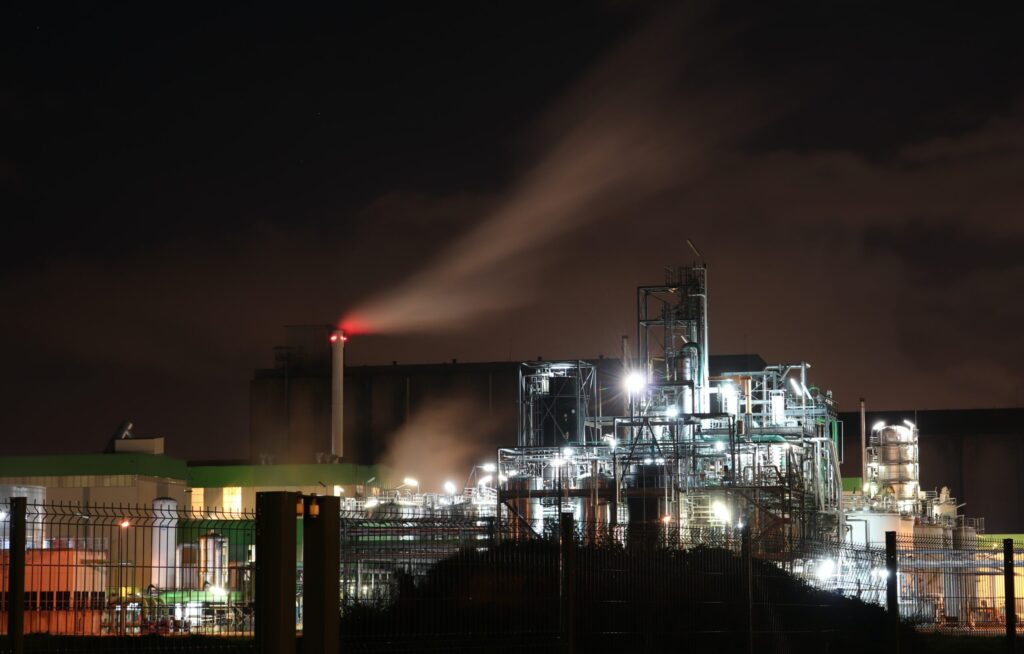
The Gulf Cooperation Council (GCC) economies faced an intricate economic landscape in the second quarter of 2023, marked by reduced oil production. This led to a 0.5 percentage point downward revision in growth forecasts for the GCC, setting the growth rate at 1.4% for the year. However, the region’s non-energy sectors have shown resilience, with robust growth in tourism-related industries. Rising energy prices, driven by global factors, have also played a pivotal role, with Brent oil reaching $90 per barrel. The impending inclusion of Saudi Arabia and the UAE into the BRICS group offers a ray of hope, fostering economic diversification and reducing reliance on the US dollar, setting the stage for a more optimistic future.
Global Markets React to Economic Data, Igniting Fears of Rate Hikes

Global markets experienced a sudden downturn fueled by a mix of conflicting economic indicators, triggering apprehensions about potential interest rate hikes by central banks. Asian stock markets, including Hong Kong, Shanghai, Tokyo, and Sydney, faced notable declines as investors grappled with uncertainty. The Philippine Stock Exchange index (PSEi) also witnessed a dip, partly attributed to disappointing second-quarter economic growth figures. The intricacies of this situation were exacerbated by the contrasting data emerging from the United States, particularly around inflation rates. The prevailing market sentiment now hinges on forthcoming data, which could either quell or amplify concerns regarding central banks’ responses to inflation and economic stability.