

The Case for Lowering Interest Rates Amidst Inflation Concerns

In a delicate economic balancing act, the Bank of England faces a pivotal decision on interest rates. The prevailing debate centers on whether to raise the Bank Rate to 5.5% or keep it at the current 5.25%. However, this discussion may be misdirected. The critical question at hand should be whether a cut to 5% or maintaining the status quo is the more reasonable course of action. This article presents a compelling case for an interest rate cut in a bid to counterbalance the challenges posed by inflation while averting the looming risk of an economic recession.
Bank of England Holds Steady Amidst Economic Challenges

The Bank of England’s recent decision to maintain historically high-interest rates reflects its commitment to navigating a challenging economic landscape. Despite acknowledging the potential for a recession and minimal growth, the bank reiterated its stance with a 6-3 vote. Their primary concern is addressing soaring inflation levels, with no immediate plans for rate cuts, according to BoE Governor Andrew Bailey. The bank, however, remains cautious due to global uncertainties, such as the Middle East conflict and strong wage growth, which may sustain inflationary pressures. Despite this caution, it anticipates a return to its 2 percent inflation target by the end of 2025.
The Bank of England’s Vigilant Monitoring of Interest Rates Maintains Stability in the Face of Economic Uncertainty

The Bank of England’s upcoming interest rate decision underscores the fine balance it must strike in managing inflation and supporting the economy in the post-pandemic era. Recent comments from officials suggest confidence in the impact of previous rate hikes on tempering inflation, but the economic landscape remains uncertain. With rising inflation and fluctuating economic data, the MPC faces the challenge of making a well-informed decision. While a majority is expected to favor unchanged rates, some more hawkish members will likely push for a slight rate hike. The decision aligns with global central banks’ efforts to combat inflation while nurturing economic growth.
Bank of England’s Monetary Policy Holds Steady Amid Economic Uncertainty

The Bank of England has opted to keep the Bank Rate at 5.25% until at least July, marking a pause in its tightening cycle, according to a Reuters poll of economists. This decision comes after last week’s surprising move by the BoE to hold rates, citing a slowing economy and lower-than-expected inflation. The central bank has gradually increased rates by 515 basis points in 14 consecutive moves since December 2021 to combat soaring inflation. While the recent decision may offer some respite to borrowers, there’s still a divided opinion among experts on whether further rate hikes are necessary later this year.
Ghana delivers biggest rate hike ever at emergency meeting
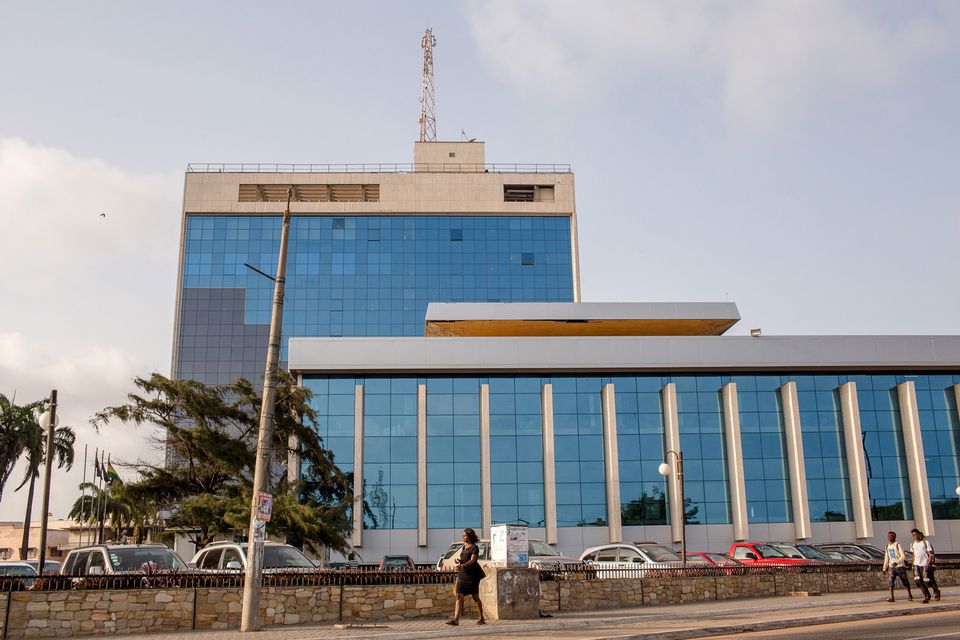
Ghana’s central bank on Wednesday delivered its biggest rate hike ever, a 300 basis point increase to 22%, at an emergency meeting to address the economy’s rapid deterioration amid crippling inflation.
UK unemployment hits 48-year low, pushing up pay
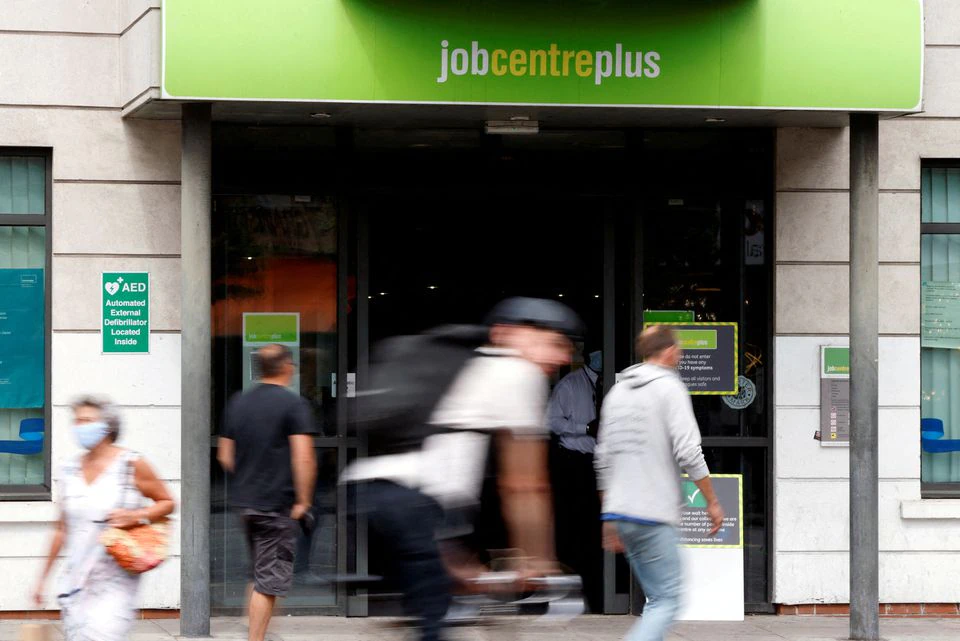
Britain’s jobless rate hit a 48-year low in the first three months of 2022 and employers paid bigger bonuses to keep or attract staff, according to data that added to bets by investors on further Bank of England interest rate hikes.
Bank of England raises rates to 0.75%, less sure about future moves
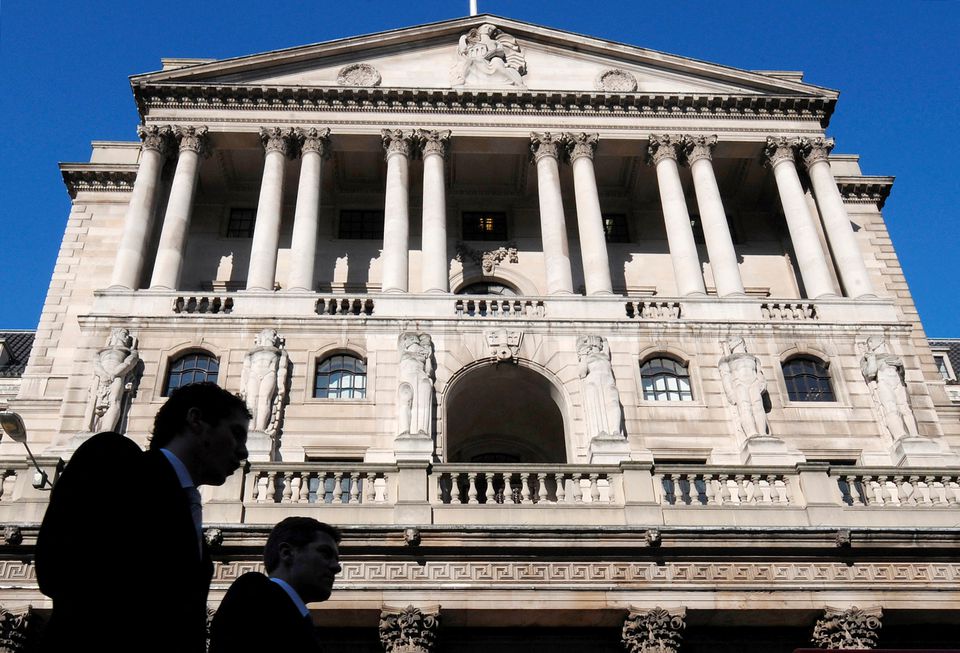
The Bank of England raised interest rates on Thursday for a third meeting running, as expected, but softened its language on the need for further increases from here.
Crown, forint expected to firm as interest rates rise
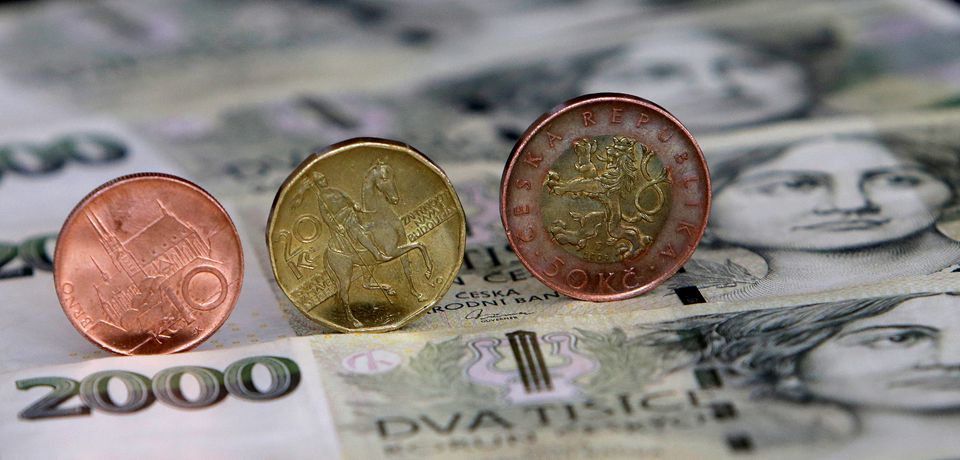
The Czech crown and the Hungarian forint will extend gains in the coming year as their central banks hike rates to curb inflation during the post-pandemic economic recovery, a Reuters poll showed on Thursday.