Australia c.bank holds rates as economy charges ahead
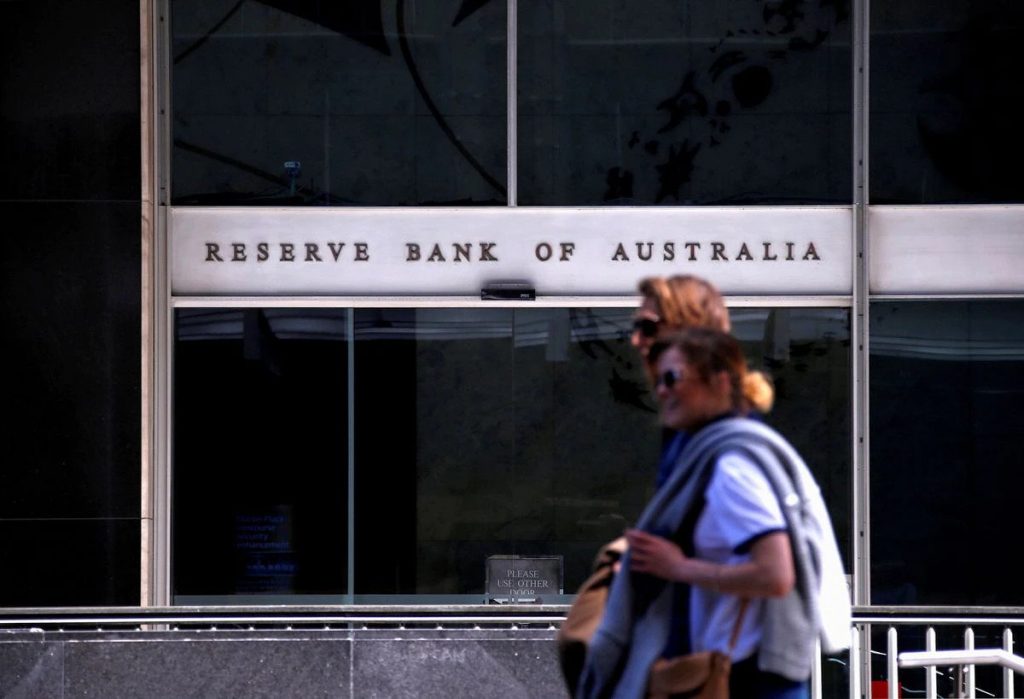
Australia’s central bank left its cash rate at record lows on Tuesday and reiterated its lower-for-longer policy stance even as data showed the country’s economic output was above its pre-pandemic level and house prices were shooting through the roof.
U.S. weekly jobless claims drop sharply; second-quarter GDP growth unrevised at 6.4 pct
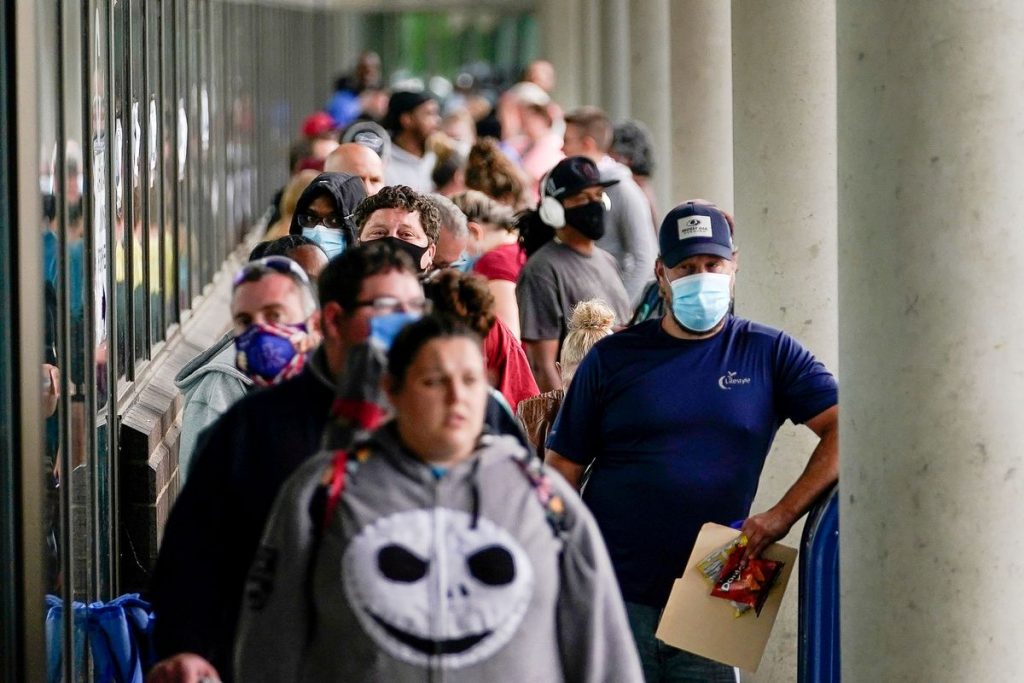
The number of Americans filing new claims for unemployment benefits dropped more than expected last week as layoffs subsided, with companies desperate for workers to meet surging demand unleashed by a rapidly reopening economy.
As interest rates hit bottom, debt does matter, says Barclays

With global borrowing costs probably as low as they can go, high debt levels will start to matter more in coming years, a Barclays study found, highlighting Brazil as the country at greatest risk of a hit to growth and debt sustainability.
Japan’s losses from COVID-19 curbs to dwarf Olympics no-go fallout, says economist

Japan stands to lose 1.8 trillion yen ($16 billion) if the Olympics were cancelled, but that would pale in comparison to the economic hit from emergency curbs if the Summer Games turned into a super-spreader event, a top economist estimated.
EU leaders to debate who will pay for green transition
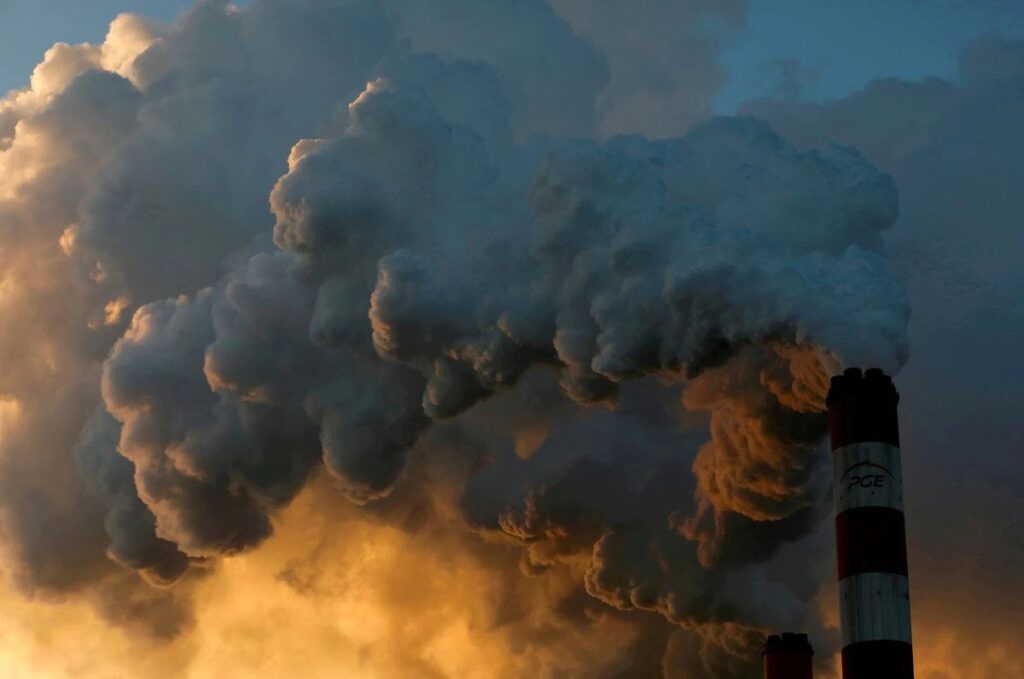
European Union leaders meet on Tuesday to debate how to split the efforts and costs of the bloc’s shift to a low-carbon future, at a summit that will set the tone for an upcoming revamp of EU climate change policies.
The OECD predicts that global GDP will grow by 4.0 percent in 2022
According to the OECD, global GDP could well expand by 5.6 percent this year and will grow exponentially by 4 percent in 2022. The Organization for Economic Cooperation and Development (OECD) is a global company that helps to create an effective infrastructure for better lives. Its mission is to create policies that promote wealth, equal […]
Lockdown accounting

Many countries have implemented social distancing and lockdown policies to tame the spread of Covid-19. This column discusses the potential GDP and employment effects of lockdown policies for a broad cross-section of countries ranging in income per capita from Niger to Luxembourg. It shows that the employment and GDP effects of lockdown policies are U-shaped in income per capita. While workers in rich countries have a substantially higher ability to work from home, which mitigates declines in employment and GDP, poor countries concentrate employment and value-added in essential sectors that are not shut down. Middle-income countries see the largest declines as they feature relatively large employment shares in non-essential sectors and relatively low work from home ability.
U.S. economy accelerates in first quarter; jobless claims edge lower
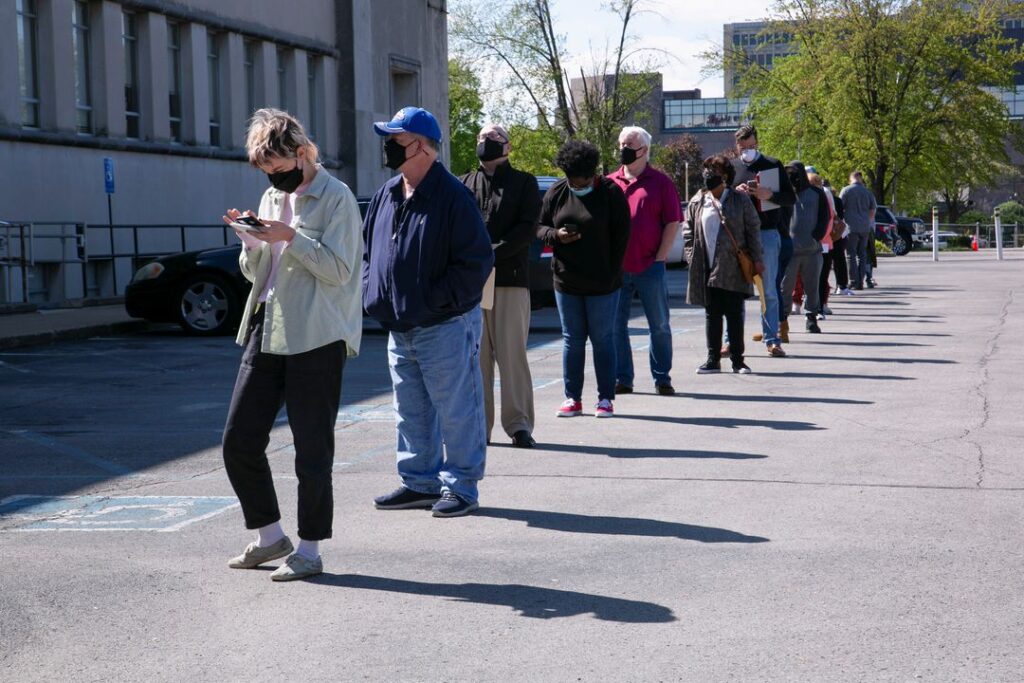
U.S. economic growth accelerated in the first quarter, fueled by massive government aid to households and businesses, charting the course for what is expected will be the strongest performance this year in nearly four decades. Gross domestic product increased at a 6.4% annualized rate last quarter, the Commerce Department said on Thursday in its advance […]