
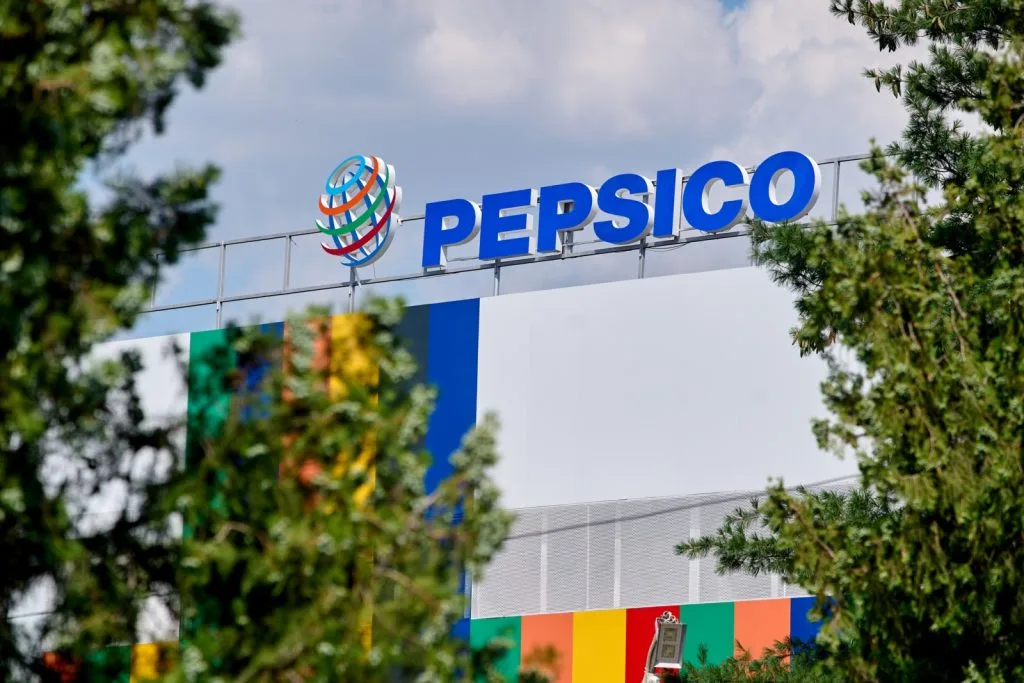

CAPTION : PepsiCo, in collaboration with the Alliance of Bioversity International and the International Center for Tropical Agriculture (CIAT), today announced a major update to the Climate Resilience Platform (“CRP” ), an open-access tool designed to help agricultural stakeholders plan for and mitigate the impacts of climate change.
PepsiCo, in collaboration with the Alliance of Bioversity International and the International Center for Tropical Agriculture (CIAT), announced a major update to the Climate Resilience Platform (CRP), an open-access tool designed to help agricultural stakeholders plan for and mitigate the impacts of climate change. The update marked a significant advancement in PepsiCo’s efforts to promote regenerative agriculture and strengthen resilience across global food supply chains.
Originally developed in 2023 with PepsiCo’s support, the open-source CRP translated climate research into actionable insights for farmers, suppliers, and policymakers. By enabling stakeholders to anticipate yield risks and implement targeted interventions, the platform served as a bridge between climate science and practical, field-level action. It was previously recognized by Fast Company as one of the “Next Big Things in Tech” for its potential to transform food and agriculture. Whereas similar tools often relied on proprietary data and expensive consultancy services, CRP offered transparent research access to encourage collective climate action.
The release of CRP 2.0 in September 2025 introduced enhanced capabilities, broader accessibility, and a framework that supported continued expansion. The evolution of the platform was supported through PepsiCo’s leadership and co-funding from the Foundation for Food & Agriculture Research (FFAR), which contributed $1 million after recognizing the tool’s growing impact and potential to accelerate climate adaptation.
Both PepsiCo and FFAR shared the objective of increasing publicly available agricultural research that brings scientific rigor to regenerative practices. By making climate insights accessible, the organizations aimed to reduce the time and cost required for assessment so that stakeholders could prioritize investments in measurable climate resilience outcomes.
Margaret Henry, PepsiCo’s Vice President of Sustainable and Regenerative Agriculture, stated that the company was proud to expand access to a tool like CRP 2.0. She emphasized that by turning climate science into usable guidance, the platform empowered food system participants to make informed decisions, strengthen vulnerable supply landscapes, and support healthier soils and more resilient farming communities.
CRP had already been adopted globally within PepsiCo’s sourcing regions to model future yield challenges and inform resilience-building actions. With its enhancement, CRP 2.0 incorporated new analytical features, including quantification of climate risk exposure and business-focused projections such as investment requirements and potential yield improvements. The platform added two new crops and six additional countries to its operating scope in 2025, supported by growing collaboration across the agricultural sector. Users also benefited from engagement with a global network of agri-climate experts working to continually refine methodology, data accuracy, and region-specific insights.
Alongside the expanded capabilities, the update coincided with increased participation from new organizations committed to accelerating climate adaptation. Olam Agri, a major global agri-business in food, feed, and fibre, and Bonsucro, a nonprofit promoting sustainable sugarcane production, joined the platform’s contributor network. Both organizations integrated CRP into their supply chain planning while contributing funding and operational data through support from the ISEAL Innovation Fund—financed by the Swiss State Secretariat for Economic Affairs (SECO) and UK International Development—and the Bonsucro Impact Fund.
Olam Agri’s involvement strengthened CRP’s coverage across climate-vulnerable crops such as rice and cotton. By making their contributions openly accessible, the company sought to enable all stakeholders—from farmers to commodity buyers—to build informed investment strategies and adopt agricultural innovations that enhance long-term productivity and livelihoods.
Laurence Jassogne, Head of Nature and Climate Solutions at Olam Agri, said the partnership represented a proactive move to confront one of agriculture’s most urgent challenges. She noted that the platform would support resilience planning across supply chains while helping communities maintain incomes in regions experiencing climate-driven disruptions.
The updated platform reflected PepsiCo’s broader climate resilience and regenerative agriculture initiatives, which focused on sharing tools, knowledge, and technical guidance to promote system-wide progress. By expanding access to research and promoting collaboration rather than competition, CRP 2.0 positioned itself as a catalyst for meaningful climate action across the food and agriculture industry.
Source: PepsiCo, Inc.