

SINGAPORE – Math Magic has unveiled Hitem3D v2.0, the latest upgrade to its AI-powered image-to-3D platform, designed to address the growing demand for reliable, production-ready 3D models across fabrication and digital content pipelines. As interest in AI-driven modeling tools accelerates globally, the new release highlights the increasing specialization within the image-to-3D space, where platforms are being tailored for distinct creative and manufacturing workflows.
The update focuses primarily on improving geometry reliability, texture accuracy, and workflow efficiency, particularly for users involved in 3D printing, fabrication, and industrial design. Developers and creators evaluating AI modeling tools are increasingly prioritizing platforms that can integrate smoothly into real-world production pipelines, where structural accuracy and fabrication readiness are critical.
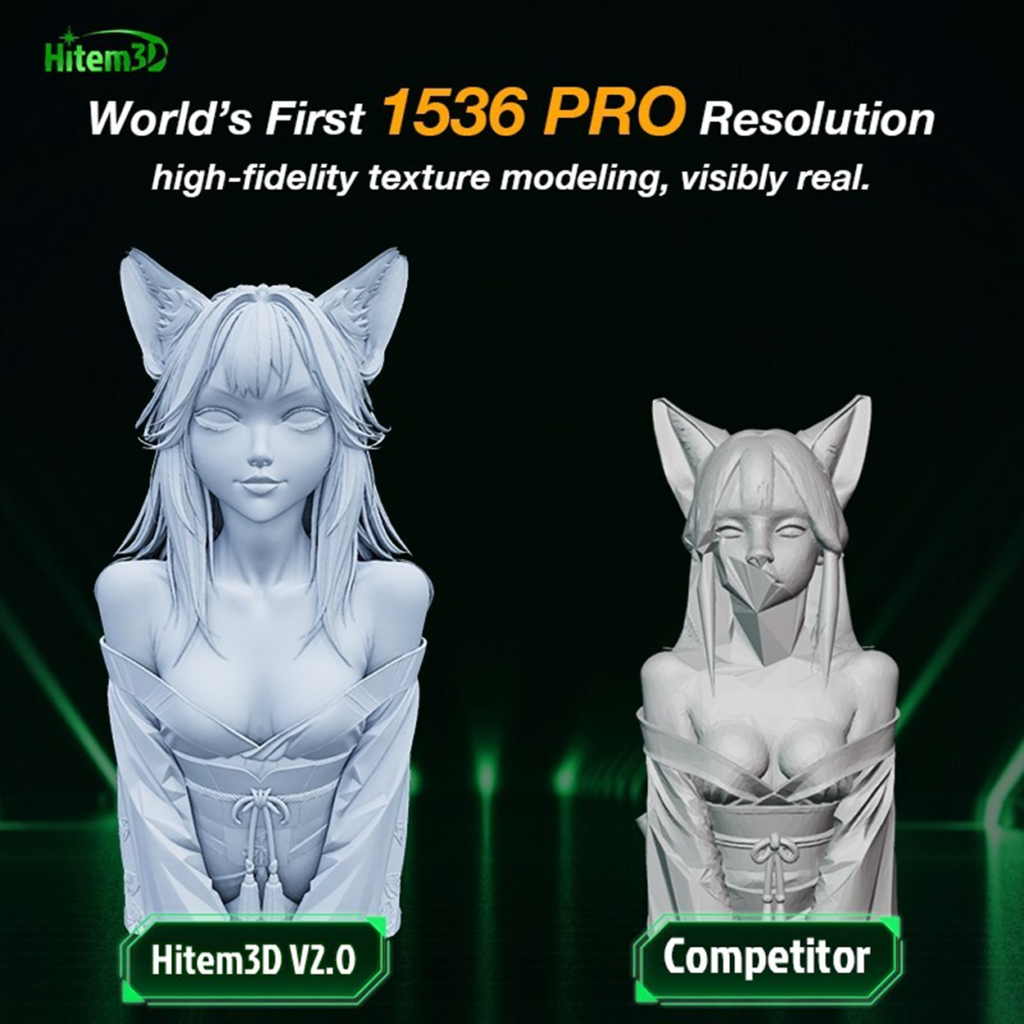
According to testing data released alongside the update, Hitem3D v2.0 introduces what the company describes as “structure-aware integrated texture generation.” This process simultaneously generates both geometry and texture during model creation, rather than handling them as separate stages. The integrated approach is intended to reduce common mesh problems such as non-manifold edges, flipped normals, and topology inconsistencies—issues that often interrupt slicing workflows and require time-consuming manual fixes before printing.
By addressing these structural challenges during the generation stage, the platform aims to improve the reliability of models that move directly into 3D printing and fabrication environments, reducing cleanup steps for designers, engineers, and hobbyists.
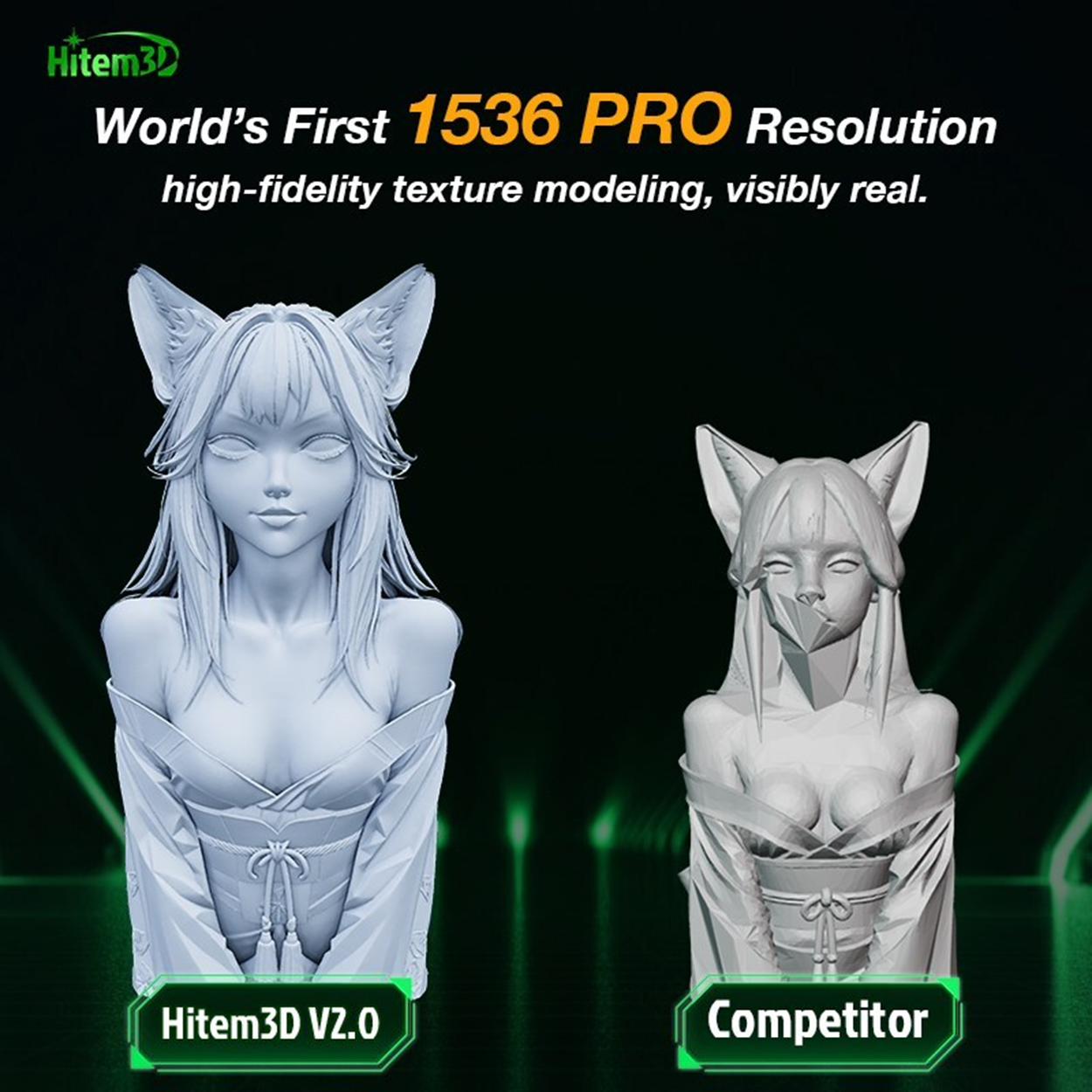
The new version also introduces improvements in resolution and reconstruction accuracy. Hitem3D uses higher-resolution internal representations and structure-aware reconstruction processes to better align with the geometric requirements of manufacturing workflows. This approach prioritizes stability and precision during model generation, helping ensure that generated objects meet the structural expectations required for physical production.
Many AI modeling platforms in the broader creative ecosystem focus on different priorities. Some tools emphasize multimodal generation and flexible asset creation designed for animation pipelines, game development, and digital media production. These platforms often allow extensive editing and refinement during downstream stages, providing creators with the freedom to stylize and adapt assets for virtual environments.
In contrast, Hitem3D positions itself as a solution optimized for fabrication-ready modeling, where accuracy and structural integrity play a larger role than creative flexibility.
Users cited in the platform’s materials reported that models generated through Hitem3D frequently pass print pre-checks with minimal manual correction, helping accelerate production timelines. By reducing the need for mesh repairs and manual adjustments, the platform aims to streamline workflows for users preparing models for 3D printing or CNC fabrication.
Another major enhancement in Hitem3D v2.0 is its multi-view reconstruction capability. The platform supports up to four reference images in its multi-view mode, enabling the AI system to capture more accurate structural information when generating models. By analyzing objects from multiple visual perspectives, the tool reduces the uncertainty that often arises in single-image reconstruction methods.
This feature helps maintain greater structural consistency, especially for objects with complex shapes or detailed surfaces. Improved reconstruction accuracy can significantly benefit workflows where precise geometry is essential for manufacturing or prototyping.
The release reflects a broader trend emerging within the AI image-to-3D sector. As the technology matures, platforms are increasingly being designed around specific use cases rather than attempting to serve all creative scenarios equally. This segmentation is helping developers build tools that are better aligned with the practical needs of different user groups.
For example, Hitem3D is commonly used in workflows such as 3D printing, figurine production, and CNC fabrication, where reliable geometry and structural accuracy are essential for physical manufacturing.
Other AI modeling tools, meanwhile, are more commonly applied to game asset creation, animation pipelines, and multimedia projects, where flexibility, stylization, and compatibility with rendering engines may be prioritized over fabrication readiness.
This shift toward specialized tools reflects the evolving expectations of creators and production teams as AI becomes more deeply integrated into professional workflows. Rather than relying on one generalized solution, developers are building platforms that cater to specific stages of the digital production ecosystem.
Math Magic, the company behind Hitem3D, was founded in 2024 and has rapidly expanded the platform’s global reach. Today, the system serves users in more than 150 countries, supporting creators, engineers, and designers who rely on AI-assisted modeling tools in their workflows.
The platform converts single or multi-view images into production-ready 3D models, enabling applications across industrial design, digital content creation, and additive manufacturing. Its integration capabilities allow the models to move directly into professional production pipelines.
With the release of Hitem3D v2.0, Math Magic aims to further strengthen the platform’s role in the growing ecosystem of AI-driven design and fabrication tools.
The latest version of Hitem3D is now available globally. Users can explore additional details and sample outputs through the platform’s official website.