
A joint ministerial statement calls for sectoral discussions and an end to market-distorting policies, without specifying new enforcement measures
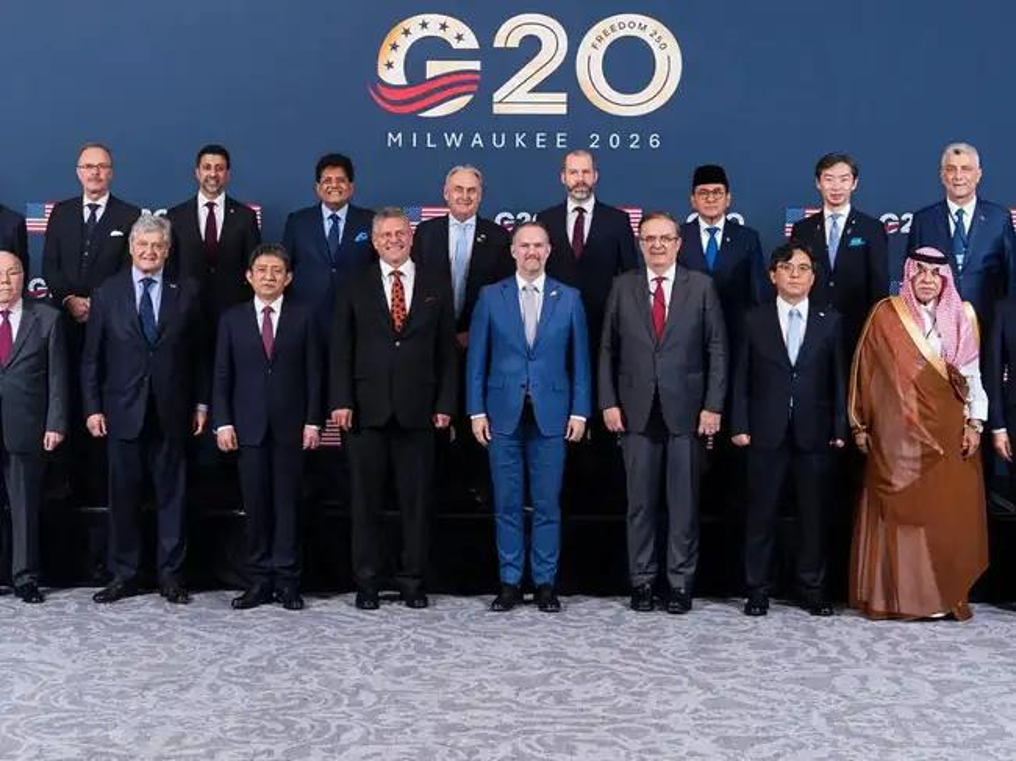
The United States and 14 other economies have signed a joint ministerial statement addressing excess capacity and production in manufacturing, according to an October 7 announcement from the Office of the U.S. Trade
Representative. The initiative establishes a shared policy agenda and plans for further discussions. It does not, on the information provided, enact new trade restrictions or specify enforcement measures.
The 15 signatories are Argentina, Australia, Canada, the European Union, France, Germany, India, Italy, Japan, the Republic of Korea, Mexico, Poland, Türkiye, the United Kingdom and the United States. That list includes the EU as well as several of its member countries. It should be understood as the announced group of signatories, rather than described inaccurately as 15 individual countries.
USTR convened senior officials on the margins of the OECD Trade Committee after the G20 trade ministerial. The statement calls for dedicated sectoral platforms to examine actions addressing excess capacity and urges countries to end non-market policies that distort markets. The supplied summary does not identify particular manufacturing sectors, establish a schedule for those platforms or detail how their recommendations would be implemented.
“Over the course of the U.S. G20 presidency, numerous economies raised instances of structural excess capacity and production in economies that persistently exceeded global demand and were sustained by foreign government’s nonmarket policies and practices,” said Ambassador Greer. The statement is his account of concerns raised during those discussions, not a quantified finding about the scale of excess production in a named industry.
Greer also warned that unchecked distortions could harm domestic industries, displace local production and undermine efforts to raise workers’ living standards. He said the Trump Administration would continue engaging trading partners to defend domestic industries, workers and the economy. Those comments describe the administration’s diagnosis and policy aim. The announcement does not establish that a particular remedial action has taken effect.
For U.S. manufacturers, the immediate relevance is the government’s effort to build a shared approach to a trade concern it says threatens domestic production. For executives and investors, however, an agenda is different from an operating rule. The announcement alone supplies no new tariff rate, import condition, quota or compliance deadline that a business could apply to a shipment or investment decision.
The proposed sectoral platforms are the clearest indication of the intended next step. They would examine possible actions, moving the discussion toward more focused consideration of manufacturing markets. But because no sectors are specified in the summary, it would be unwarranted to attach the initiative to a particular product category or presume that any industry will face a defined response.
The distinction between an official objective and an effective measure also matters financially. A ministerial statement can signal direction without supplying enough detail to estimate changes in company revenue, production costs or trade flows. This announcement contains no quantified forecast of those effects. Claims that the agreement has already protected a particular U.S. business or altered competitive conditions would go beyond the supplied evidence.
The signatories’ participation shows support for the statement’s announced aims, but the summary does not set out identical national commitments or a common enforcement mechanism. Nor does it name a target economy. The language concerning non-market policies should therefore be attributed to the participating governments rather than converted into an unsupported accusation against a country, company or specific manufacturing practice.
The business question now is what follows the declaration: which sectors receive attention, what actions are proposed and whether participating authorities put measures into effect. None of those outcomes is settled by the announcement. The concrete development is a multilateral statement and a plan for further work; its commercial consequences will depend on subsequent decisions, not on treating the policy aim as an enacted remedy.
Source: Office of the United Trade Representative