
With a new integration into OPERA Cloud, RobosizeME is helping hotels automate one of hospitality’s most delicate tasks: recognizing high value guests consistently, accurately, and at scale.
Luxury hospitality has always depended on anticipation. The finest hotels are remembered not
simply for architecture or amenities, but for the subtle precision with which they make guests feel known. A preferred room already prepared. A familiar welcome at check in. Small details recalled without being repeated. In an industry built on experience, recognition itself becomes part of the product.
Yet behind those seamless moments often lies a surprisingly fragmented operational process.
In many hotel groups, identifying VIP guests still relies heavily on manual checks, spreadsheets, disconnected reservation systems, and individual staff knowledge. As hotel operations grow increasingly complex, maintaining consistent recognition across departments and properties has become one of the hospitality sector’s quietest but most persistent challenges.
It is this operational gap that RobosizeME is seeking to address with the launch of its new VIP Guest Recognition automation suite, fully integrated with Oracle Hospitality through the OPERA Cloud
platform.
The solution automates the identification, classification, and operational handling of VIP guest data, enabling hotels to recognize high value guests earlier and coordinate personalized service delivery without relying on manual intervention.
At its core, the innovation reflects a broader transformation taking place across global hospitality. Hotels today are navigating a difficult balance between efficiency and personalization. Guests increasingly expect digital convenience, rapid responsiveness, and frictionless experiences, while simultaneously seeking the warmth and individuality traditionally associated with luxury service.
Artificial intelligence and automation are now being positioned not as replacements for hospitality, but as tools designed to preserve its human dimension.
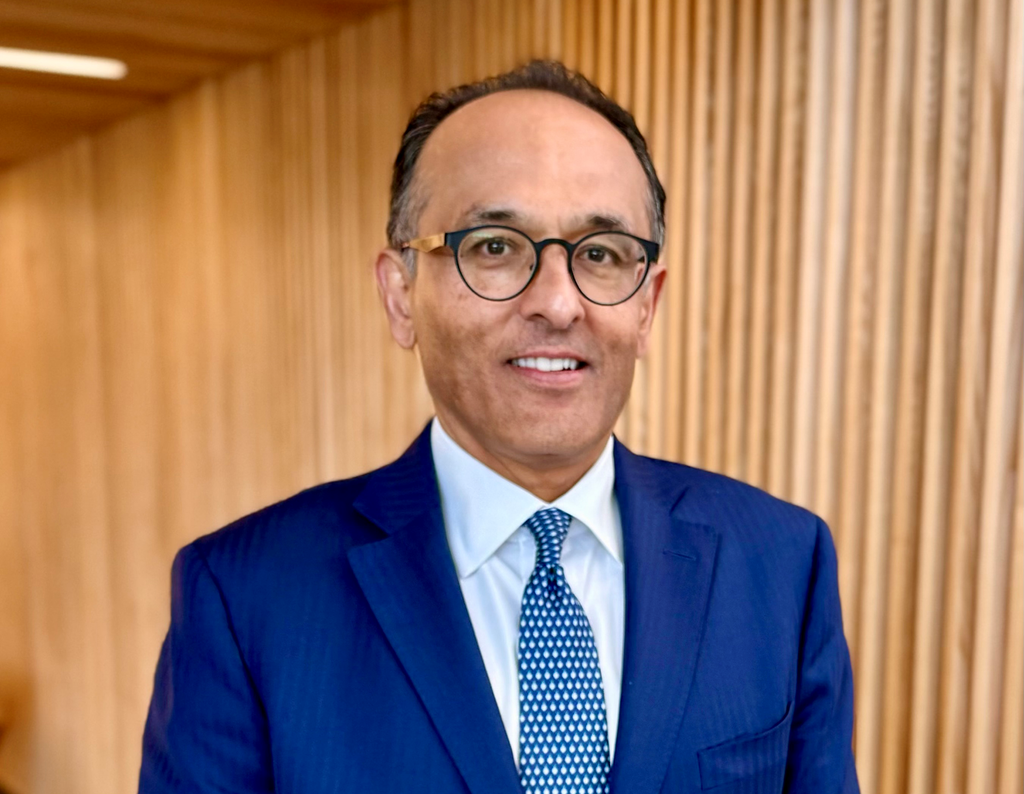
“VIP recognition has traditionally relied on manual checks, spreadsheets, or inconsistent processes,” said Stephen Burke. “With this automation, hotels can ensure that every VIP guest is identified and prepared for in advance, allowing staff to focus on delivering personalized service rather than
managing data.”
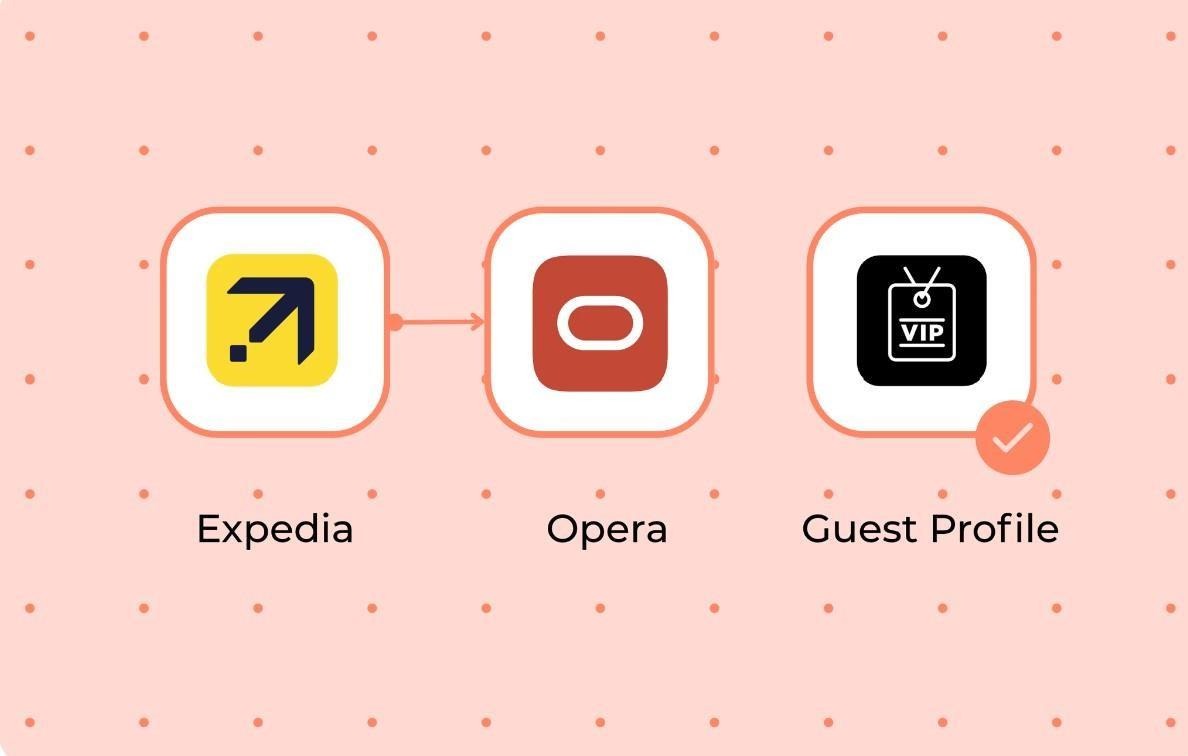
The platform operates by connecting directly to property management systems and online travel agency data sources. Reservations are processed continuously, allowing digital workers to identify VIP guests, assign recognition codes, trigger operational instructions, and synchronize service workflows across departments.
What appears outwardly as a simple guest recognition process is, operationally, a highly complex exercise in data management. Hotels often manage thousands of guest profiles across multiple
booking channels, loyalty programs, and properties. Duplicate profiles, inconsistent data entries, and delayed updates can easily result in missed recognition opportunities or service inconsistencies that affect the guest experience.
RobosizeME’s automation suite attempts to eliminate much of that friction through profile filtering, automated treatment trace creation, and centralized workflow coordination. By running continuously in the background, the system enables hotels to maintain updated and actionable guest profiles
without altering existing infrastructure.
For hotel operators, the appeal extends beyond guest satisfaction alone.
Automation reduces administrative burden on staff, improves operational efficiency, shortens
preparation times before arrival, and enhances data accuracy across departments. More importantly, it allows frontline employees to spend less time navigating systems and more time engaging directly with guests.
That distinction matters deeply within hospitality.
The industry has spent years digitizing customer journeys, from online booking engines to mobile check ins and AI powered concierge services. Yet the most memorable hotel experiences still hinge on emotional intelligence, attentiveness, and human interaction. The challenge for technology
providers is therefore not merely to automate operations, but to do so invisibly, in ways that strengthen rather than dilute service culture.
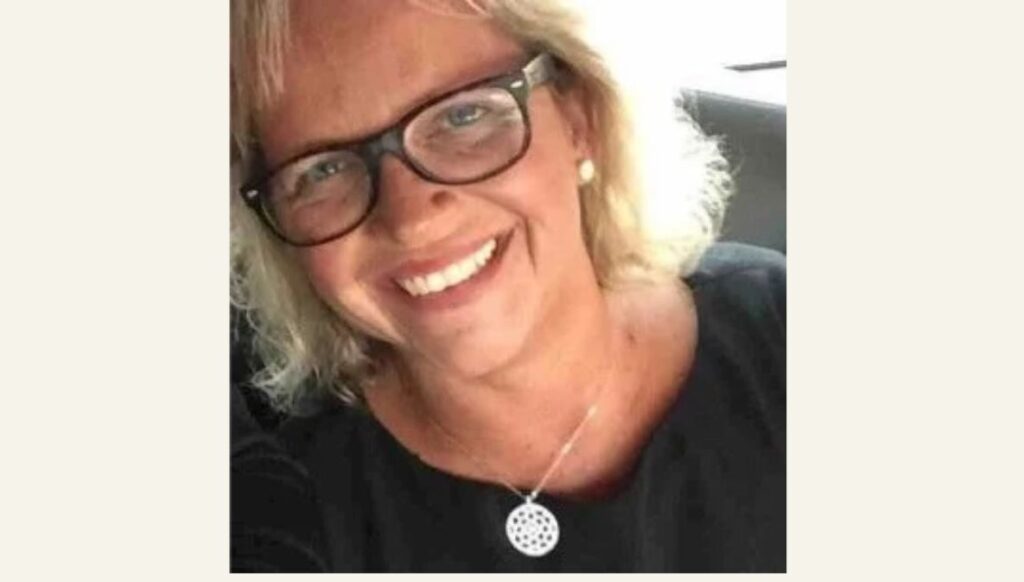
“Our integration with OPERA Cloud allows hotels to automate one of the most service critical workflows in the guest journey,” said Linda Girrbach. “Accurate and timely VIP recognition ensures teams are aligned and ready to deliver the level of service these guests expect.”
The launch also reflects a growing trend toward modular automation within the hospitality sector. Rather than replacing entire operational ecosystems, many hotel technology providers are now focusing on highly specific workflows where automation can create measurable improvements quickly. Guest recognition, finance processing, reservation management, and distribution systems are increasingly being treated as targeted automation opportunities capable of generating both operational and experiential value.
RobosizeME has built much of its strategy around this philosophy, developing specialized automation tools tailored specifically to hotel group operations. The company’s emphasis on hospitality specific workflows, combined with security certifications including ISO 27001, GDPR, and PCI DSS
compliance, positions it within a sector where data protection and operational continuity remain paramount.
The broader significance of the launch, however, may lie in what it reveals about the future of luxury service itself.
In an age where travelers interact with countless digital systems before ever reaching a hotel lobby, personalization is no longer considered exceptional. It is expected. Guests assume hotels will know their preferences, recognize their loyalty, and anticipate their needs. The operational challenge is
delivering that consistency at scale, across increasingly global and data intensive hospitality environments.
Technology alone cannot create hospitality.
But when thoughtfully deployed, it can remove the invisible operational obstacles that stand
between service teams and genuine human connection. And in a business where experience is everything, that may prove to be one of automation’s most valuable contributions.