
Construction materials release chemicals, the weather inside matters, and smart material choices make a real difference for indoor air quality.
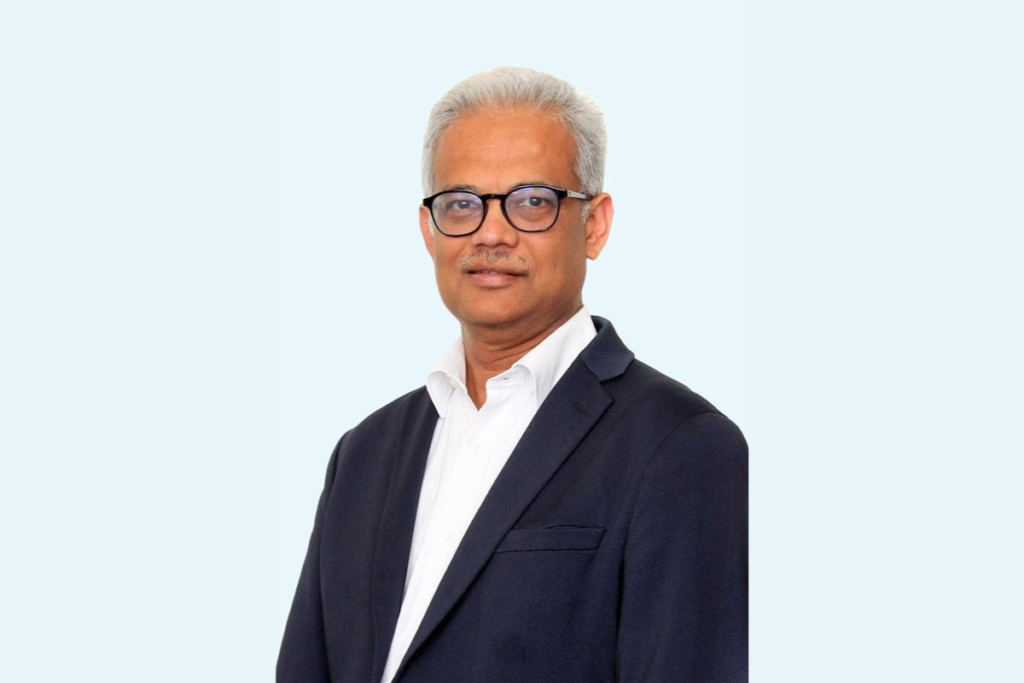
By Talal M. Al Gaddah, CEO and Founder of the Keturah luxury brand
With temperatures and humidity soon to climb again and rapid urbanization defining the landscape, the Gulf region’s luxury real estate sector is heading for a major transformation.
Developers are increasingly prioritizing health-led building practices tailored to our unique climate challenges. This shift isn’t just a trend, it’s a necessity driven by discerning buyers who demand homes that enhance well-being rather than compromise it.
This evolution is reshaping the industry, and could position the Gulf as a global leader in innovative, climate-resilient living, overcoming the risks to indoor air quality and resident health posed by environmental conditions.
Traditional construction materials, often imported from temperate climates, fail to account for these factors, leading to issues like moisture build-up, mold growth, and elevated levels of volatile organic compounds (VOCs).
In Saudi Arabia’s Vision 2030 and the UAE’s Dubai 2040 Urban Master Plan, there’s a clear emphasis on sustainable and healthy urban development. Yet, until recently, luxury real estate has focused more on opulent aesthetics than on the science of healthy habitats.
Today, however, health-conscious design is emerging as the primary competitive differentiator, attracting wealthy investors and families who view their homes as sanctuaries for longevity and vitality.
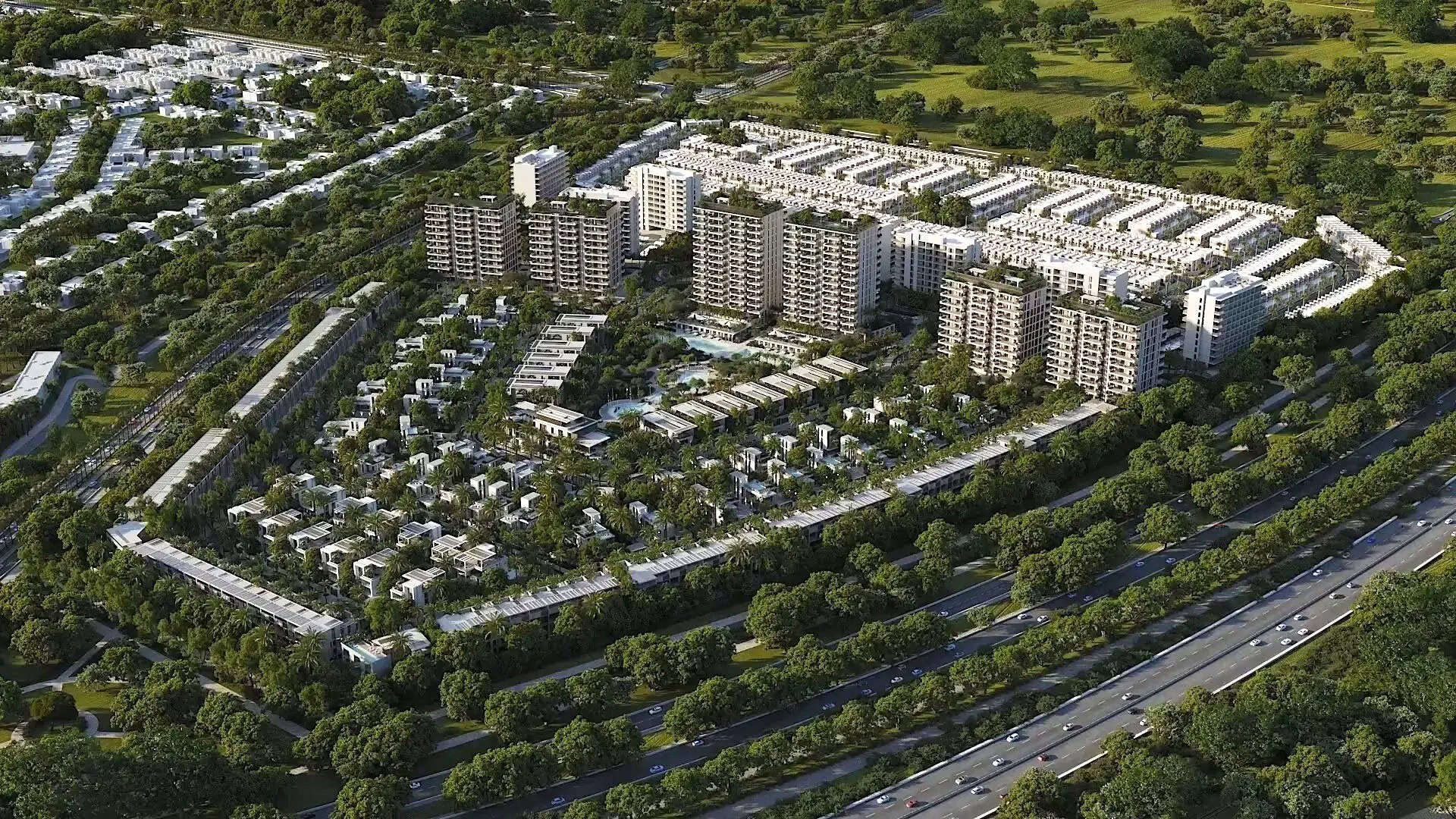
At Keturah Reserve, the AED5.7 billion bio-living community in Dubai, AED200 million has been invested in proprietary antimicrobial tiling, breathable wall systems, and zero-VOC finishes.
This is not merely an enhancement; it’s a redefinition of what premium residential construction means. Integrating these advanced materials creates homes where every surface actively contributes to healthier indoor environments, addressing the Gulf’s climatic realities head-on.
Consider the role of antimicrobial tiling: these surfaces are engineered to inhibit the growth and spread of harmful bacteria, viruses, mold, and mildew. In a region where air conditioning is ever-present, leading to potential condensation and dampness, this technology reduces the risk of infections, allergic reactions, and respiratory issues.
For families in regions where asthma rates can rise notably due to environmental factors, such innovations can make a big difference. Similarly, breathable wall systems prevent moisture accumulation, mitigating health risks like skin irritation and chronic conditions exacerbated by poor indoor humidity control.
These systems allow walls to “breathe,” expelling excess moisture while maintaining structural integrity, which is crucial in humid coastal cities.
Zero-VOC finishes further elevate this standard by eliminating harmful airborne chemicals that traditional paints and coatings release. VOCs, including formaldehyde, can cause headaches, eye irritation, and long-term health effects, particularly in enclosed spaces with limited ventilation.
In hot climates, where indoor living dominates, these emissions can intensify, turning luxury homes into unintended health hazards. A zero-VOC approach ensures that finishes not only look exquisite, but also promote clean, breathable air, aligning with the region’s growing emphasis on wellness-oriented lifestyles.
Investment in this methodology gains even greater significance when seen alongside recent scientific research. A 2025 peer-reviewed study examining conventional building materials in Dubai’s humid summer conditions revealed that formaldehyde emissions from standard products increase substantially under such stress.
Formaldehyde, a known carcinogen, poses elevated risks in environments where residents spend most of their time indoors. Complementing this, a study published in Building and Environment demonstrated that innovative low-emission finishes are 200% more effective at balancing humidity compared to standard alternatives, reducing VOC levels by up to 63%.
These findings underscore a critical truth: the Gulf region demands engineering solutions bespoke to our climate, not one-size-fits-all imports designed for milder settings.
This science confirms what forward-thinking leaders in the industry have long known – that the right materials identified by research aren’t an optional upgrade, they’re fundamental to modern construction quality.
From Riyadh to Abu Dhabi, Doha to Muscat and Bahrain to Kuwait City, similar adaptations can prevent the health pitfalls seen in older developments. The broader market evolution reflects this: buyer awareness of indoor environmental quality is surging, fuelled by post-pandemic priorities on health and sustainability.
Wealthy investors, many of whom are global nomads, now scrutinize not just square footage or views, but also air quality metrics and material certifications.
Developers across the region must increasingly explore health-led innovations, and recognise that competitive advantage lies in measurable health outcomes rather than aesthetic appeal alone.
Ultimately, the next generation of luxury real estate in the Gulf region will be defined by homes that harmonize with our climate, fostering environments where residents thrive.
As luxury developers today, we’re not just building properties, we’re crafting legacies of well-being. As the sector matures, health-conscious design will become the benchmark, ensuring that this region’s high-end homes are as resilient and life-affirming as the communities they serve.
This is more than a market shift; it’s a commitment to a healthier future for generations to come.