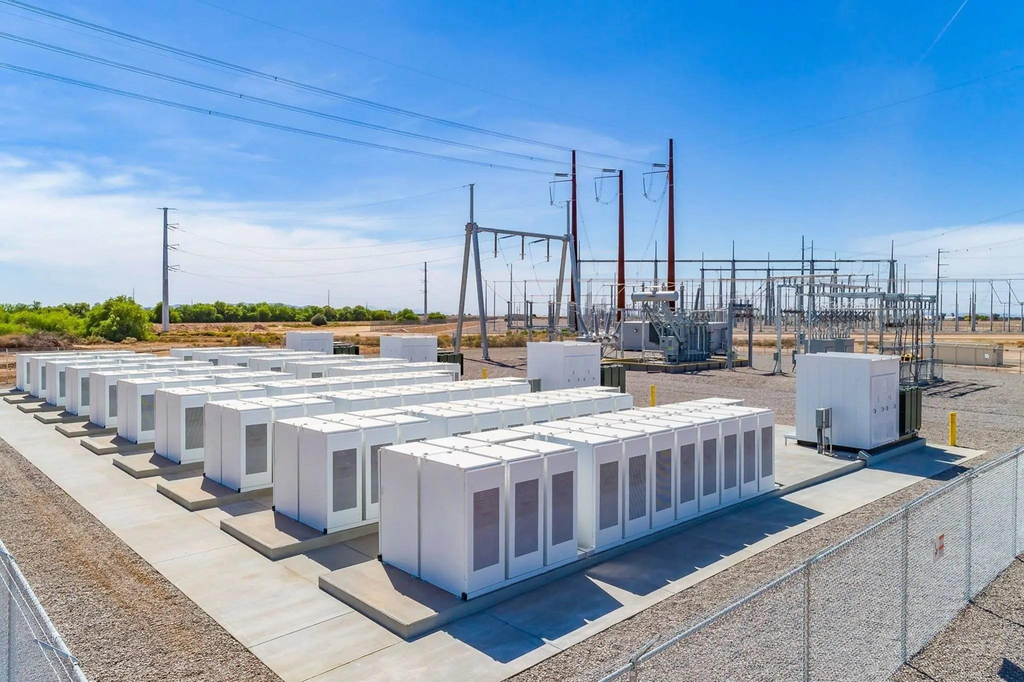

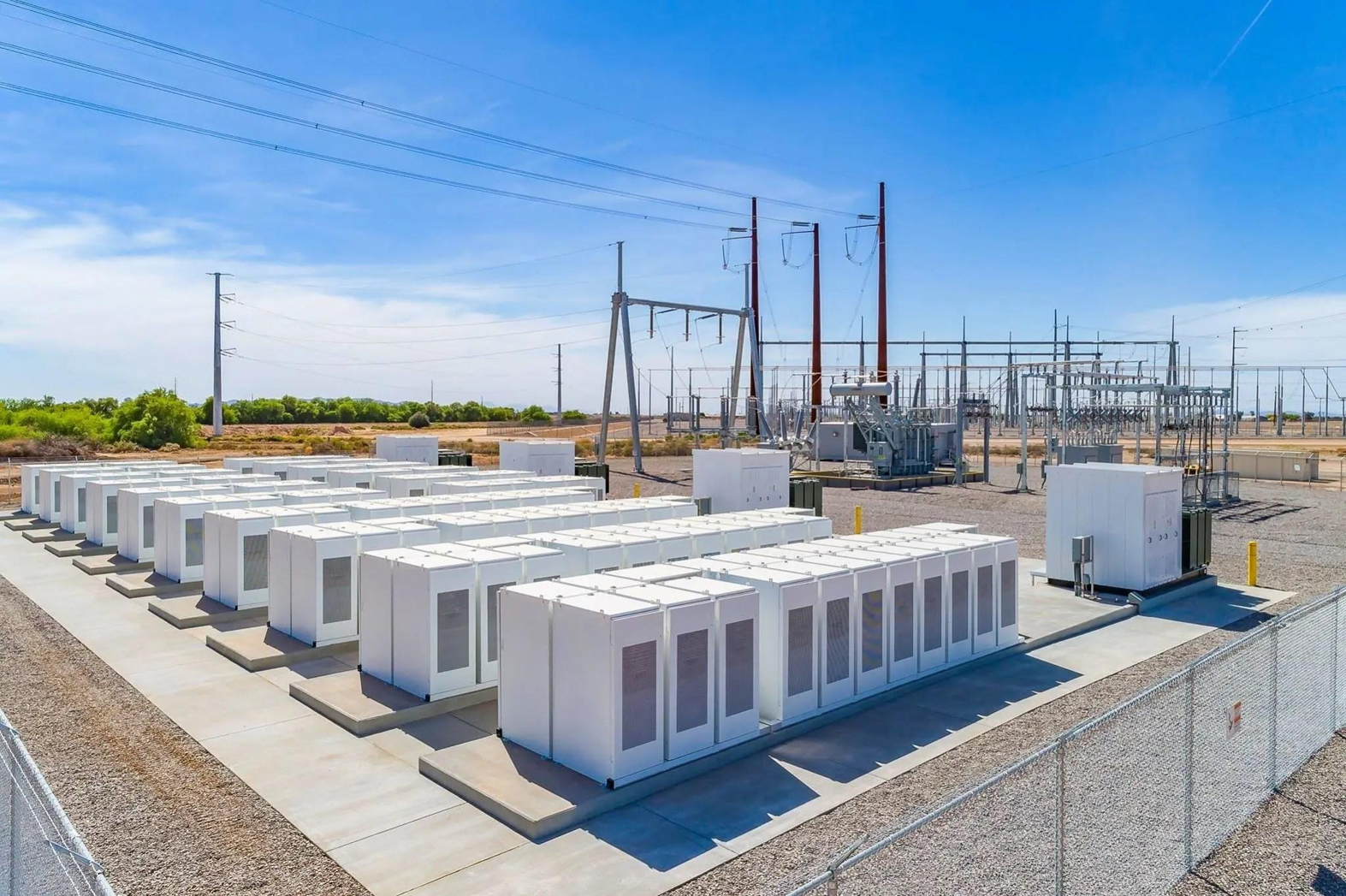

The GridStor financing links a Hidalgo County battery project to Section 48 investment tax credits, with service scheduled for October 2026
Foss & Company says it has closed a $58 million tax-equity investment with GridStor to finance a utility-scale battery energy storage system in Hidalgo County, Texas. Announced October 7, 2026, the partnership flip transaction ties a specific financing commitment to a project scheduled to enter service that month. For U.S. investors following energy infrastructure, the concrete development is the closing—not yet a reported operating record for the battery system.
According to the announcement, the transaction generates Section 48 Investment Tax Credits. That federal tax connection is central to the financing described by the companies. The supplied release details do not state the amount of credits, the project’s total cost or how the transaction’s economic benefits are allocated between the parties. The $58 million figure therefore should not be treated as a disclosed valuation of the entire project.
Foss describes the deal as a partnership flip transaction, but the provided material does not spell out its ownership arrangements, distribution schedule or conditions for any change in the partners’ economic interests. Those omissions limit what an outside reader can conclude about the investment’s structure. The announcement establishes that financing closed; it does not provide enough information to calculate an investor return or compare the terms with another storage transaction.
Bryen Alperin, a Foss & Company partner and managing director, presented the closing as evidence of the firm’s commitment to both GridStor and the sector. “This transaction reflects the strength of our partnership with GridStor and our continued conviction in utility-scale battery storage as an asset class,” he said. That is a statement of the financing firm’s investment view, rather than independent evidence of how this particular asset will perform.
Alperin also connected the investment to the role he sees for storage in grid operations. “As grid operators
increasingly rely on storage to balance supply and demand, we’re glad to help bring projects like this one in Hidalgo County online, and we look forward to growing our pipeline with GridStor in the years ahead.” The comment expresses an intention to expand the relationship, without specifying the size or timing of additional transactions.
GridStor’s Spencer Mash, senior vice president of finance and head of capital markets, welcomed the financing partner’s participation. “We are pleased to have concluded this financing with Foss and appreciate their support of the BESS asset class,” he said. BESS refers here to the battery energy storage system being financed. The announcement does not supply the facility’s storage capacity, discharge duration or other technical specifications needed to assess its operating scale.
Mash offered a broader interpretation of the closing: “This transaction reflects the continued maturation of the sector and the growing confidence of financing partners in the role that battery energy storage can play in supporting grid reliability and flexibility where it is needed most.” That assessment belongs to GridStor. A single disclosed financing does not, by itself, establish sector-wide investment trends or measure the project’s eventual contribution to reliability.
The October service schedule is another important boundary. At the time of the announcement, the project was scheduled to enter service; the supplied details do not confirm that it had done so. Nor do they disclose customer arrangements, revenue commitments or operating results. Readers should keep the financing milestone separate from commissioning and from the financial performance that might follow once the asset is operating. For an American financial audience, the deal offers a focused example of tax-equity capital being committed to battery infrastructure in Texas. Its significance is specific: Foss and GridStor report a closed $58 million transaction, a Section 48 tax-credit connection and an imminent service target. The companies’ broader confidence in storage is clear, while the information needed for a full project-level investment assessment remains outside the supplied announcement.