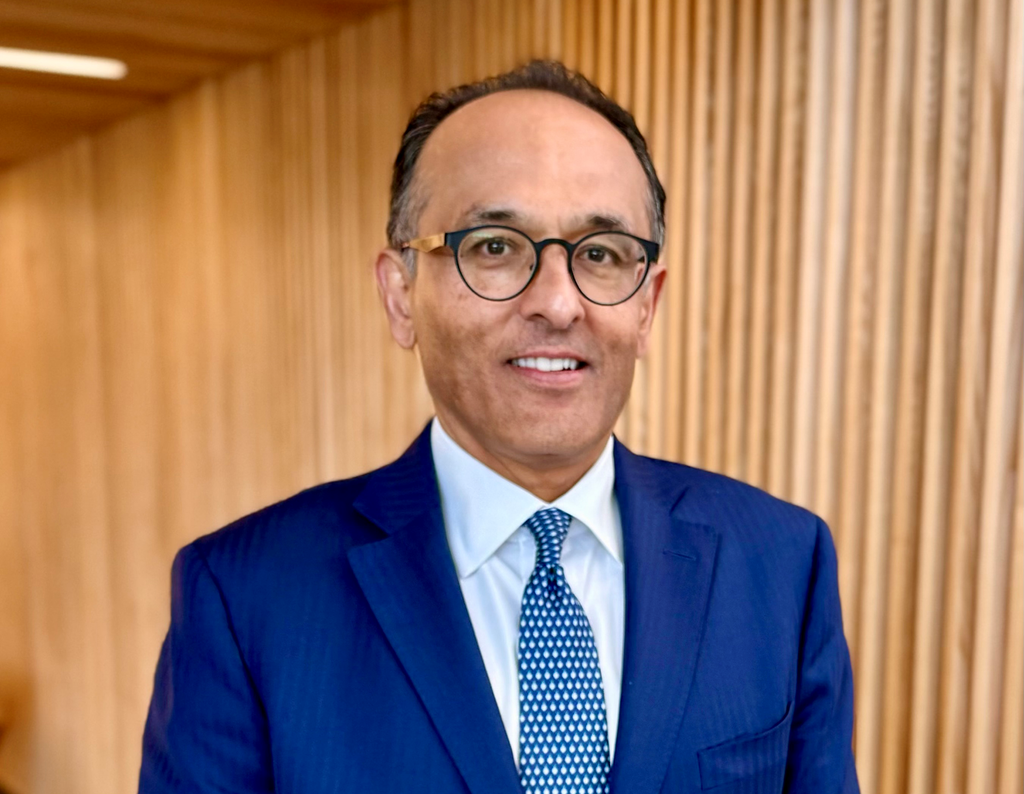



The Florida gubernatorial candidate is calling for a ban on secret data center agreements and mandatory housing contributions from Big Tech firms as communities confront the growing impact of digital infrastructure expansion.
The digital economy is often imagined as weightless. Cloud computing, artificial intelligence,
streaming platforms, and virtual infrastructure appear to exist in invisible space, detached from the physical realities of land, water, electricity, and neighborhoods. But across the United States, communities are increasingly discovering that the “cloud” is built on something far more tangible: sprawling data centers consuming enormous resources while reshaping local economies and landscapes.
In Florida, that conversation is now moving from zoning meetings into statewide politics.
Evelyn Castillo-Bach, who is running for Governor of Florida in 2026 as a Democrat after more than two decades as a registered Independent voter, has unveiled a policy platform aimed directly at the growing influence of large technology companies and hyperscale data center developments
throughout the state.
At the center of her proposal are two headline measures: banning non disclosure agreements tied to data center negotiations and creating a Florida Affordable Housing Fund financed through mandatory contributions from major technology corporations operating such facilities.
The announcement reflects a broader national tension surrounding the rapid expansion of digital infrastructure. Data centers have become critical to the global economy, powering everything from artificial intelligence systems and cloud storage to streaming services and enterprise software. Yet as demand accelerates, communities are beginning to question the environmental, economic, and social costs tied to these facilities.
“Florida families have a right to know what is being built in their backyards,” Castillo-Bach stated while outlining the proposal. “People First, Not Politics.”
Her campaign argues that many data center projects advance through local approval processes under layers of secrecy, often involving limited liability entities and confidentiality agreements that obscure the identities of ultimate corporate beneficiaries. According to the campaign, this lack of
transparency prevents residents from fully understanding how projects may affect water resources, energy consumption, infrastructure demands, environmental conditions, and quality of life.
The issue has gained increasing visibility nationally. An NBC News review examining more than 30 data center proposals across 14 states reportedly found that many local governments had entered into confidentiality agreements while negotiating with companies linked to large scale technology projects.
Castillo-Bach’s proposal seeks to prohibit such arrangements entirely.
Under her framework, all ownership interests connected to proposed data center developments would need to be publicly disclosed. Independent engineers, scientists, and auditors would also be required to evaluate projected impacts related to water use, electricity demand, environmental consequences, noise pollution, and surrounding community effects before approvals could move forward.
The proposal further calls for multiple public hearings prior to any state or local votes regarding construction or expansion approvals.
The timing is notable.
Florida has seen a sharp increase in proposed hyperscale data center projects as technology companies search for locations capable of supporting growing AI workloads and expanding cloud infrastructure. Among the most discussed developments is a reported 1.2 gigawatt project in Fort Meade, one of the largest proposals currently under consideration in the state.
Several additional projects have emerged across Palm Beach, Martin, Nassau, Citrus, and other counties, while at least two proposed developments were reportedly withdrawn following community opposition and permitting concerns.
What makes the debate particularly complex is that data centers bring both opportunity and strain.
Supporters argue that such projects attract investment, expand digital infrastructure, create
construction activity, and strengthen long term technological competitiveness. Critics, however, point to rising electricity demands, heavy water consumption, environmental pressures, and the
perception that local communities often absorb infrastructure burdens without receiving proportional economic benefit.
Castillo-Bach’s second proposal directly addresses that concern.
Her campaign is advocating for a dedicated Affordable Housing Fund financed through mandatory fees imposed on major technology corporations operating data centers in Florida. The initiative would require companies benefiting from the state’s resources and infrastructure to contribute financially toward housing affordability initiatives aimed at supporting working families, young
residents, and middle income communities.
The proposal also places financial responsibility for infrastructure expansion and environmental
remediation squarely on data center operators and affiliated corporations. Roads, pipelines, sewer systems, utility upgrades, and environmental mitigation efforts connected to these facilities,
according to the campaign, should not shift costs onto taxpayers.
“My policy position is clear,” Castillo-Bach stated. “Data centers should pay our Florida communities for the privilege of operating in our neighborhoods.”
The debate arrives at a moment when state governments across the country are grappling with how to regulate an industry expanding faster than public policy frameworks can adapt. At least 10 states have reportedly introduced legislation addressing confidentiality agreements tied to data center
negotiations in 2026 alone.
Meanwhile, some technology companies appear to be adjusting their own practices. Microsoft announced earlier this year that it would discontinue the use of NDAs with local governments during project negotiations, a move widely viewed as an attempt to address mounting public criticism
around transparency.
For Castillo-Bach, however, the issue extends beyond technology policy alone.
Her campaign has framed the debate around broader themes of public trust, democratic
accountability, and community rights. Health, housing, environmental protection, and government transparency form the central pillars of her platform, summarized under the slogan “People First, Not Politics.”
Whether those ideas gain traction statewide remains to be seen. But as artificial intelligence and digital infrastructure continue expanding across America, one thing is becoming increasingly clear: the politics of the data economy are no longer confined to Silicon Valley. They are arriving, quite
literally, in people’s backyards.