Economy

guaranteed basic income (GBI) has entered the realm of Canadian politics

Canada’s Proposal for a Guaranteed Basic Income: Prospects and Challenges

In the midst of fervent debates over Canada’s proposed Guaranteed Basic Income (GBI), skepticism looms as economists, led by Kevin Milligan, question the economic feasibility of the ambitious initiative, citing its potentially exorbitant cost in the tens of billions annually. The Senate’s scrutiny of Bill S-233, spearheaded by Senator Kim Pate, marks a crucial juncture, yet the prospect of GBI evolving into official policy remains uncertain

Jordan’s Economy Faces Setback, Prime Minister Highlights Impact of Gaza Conflict

Jordan’s Prime Minister, Bisher al Khasawneh, voiced concerns over the Gaza conflict’s impact on the nation’s once-promising economy. The disruption in Red Sea shipping due to Houthi attacks, coupled with a significant dip in tourism post the Oct. 7 Hamas attack, has thwarted Jordan’s economic growth trajectory. Shipping costs for cargo arriving at Aqaba’s Red Sea port have surged, sparking worries about potential inflation. Despite the challenges, Jordan remains focused on its economic modernization plan, seeking to enhance competitiveness. The recent IMF approval of a $1.2 billion loan program reflects international confidence in Jordan’s economic policies, providing a ray of hope for recovery.

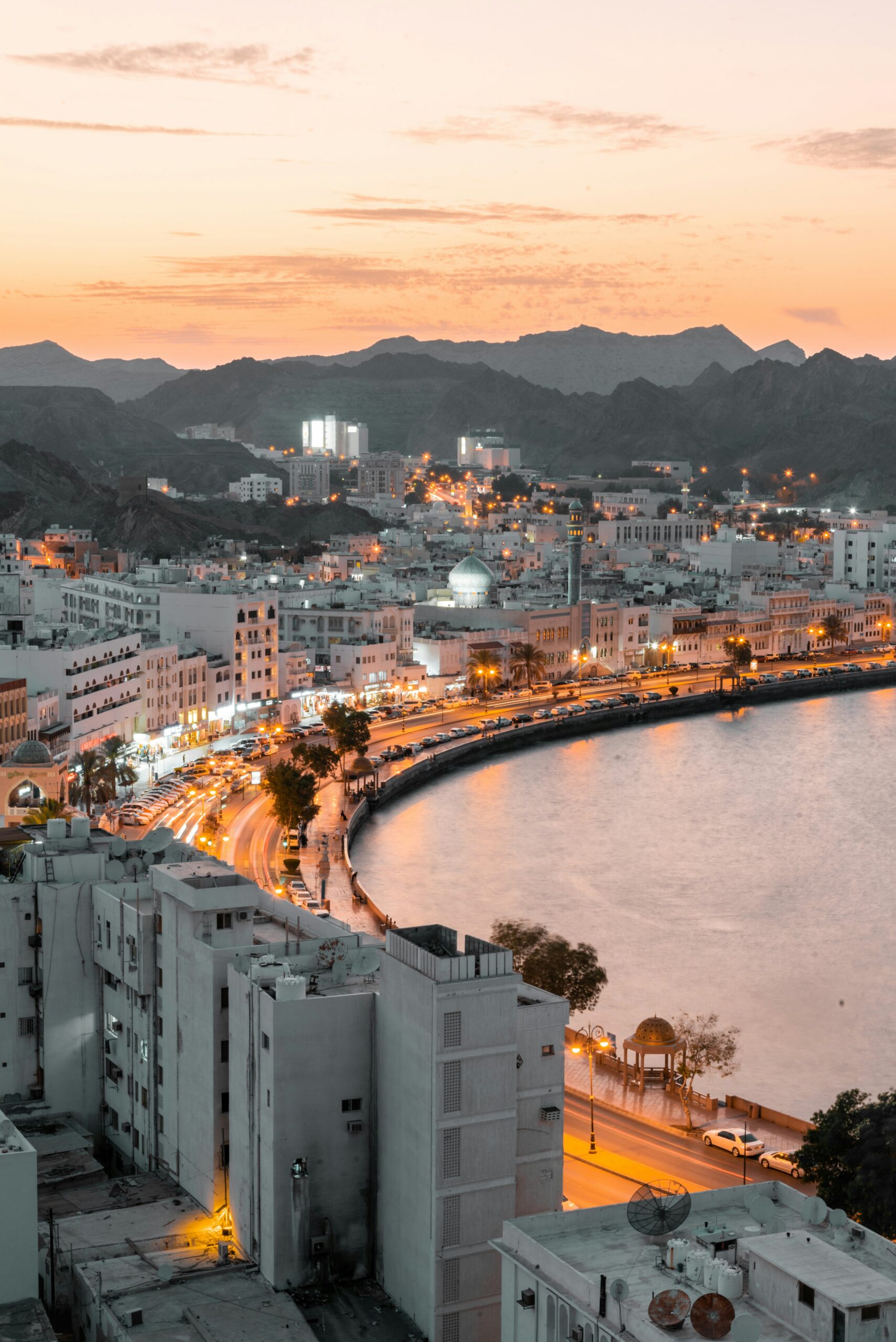
Oman’s Fiscal Renaissance, A Testament to Economic Resilience and Strategic Reforms

Under the wise leadership of His Majesty Sultan Haitham bin Tarik, Oman has orchestrated a remarkable fiscal resurgence, achieving substantial milestones amid global economic challenges. Rigorous fiscal reforms, spending control, and revenue diversification have propelled the sultanate’s fiscal performance, showcasing a surplus of RO931mn in 2023, defying initial deficit projections. Notably, the reduction in public debt from RO17.6bn in 2022 to RO15.2bn in 2023, steering the debt-to-GDP ratio to 35%, has fortified Oman’s credit ratings. Major credit agencies like Moody’s, S&P Global Ratings, and Fitch Ratings have lauded Oman’s fiscal prudence, upgrading its sovereign credit ratings and endorsing the effectiveness of strategic financial policies. This fiscal renaissance underscores Oman’s resilience and strategic insight in navigating economic complexities.

PwC Predicts a Turning Point for the UK

In a nuanced economic landscape, PwC’s 2024 forecast offers a beacon of hope for the UK, anticipating an upturn from the challenges of the post-pandemic era. Despite a dip in M&A activity in 2023, the projection outlines a positive shift with improvements in household finances, real incomes, and regional growth. The corporate sector, however, faces a potential rise in insolvencies, particularly affecting smaller businesses. Global defense orders surge amidst geopolitical tensions, adding a layer of complexity to economic predictions. Market dynamics, including a strengthened pound and energy price fluctuations, further contribute to the intricate economic tapestry awaiting the UK in the upcoming year.

Oman’s Economic Landscape, Navigating the Growth Trajectory in Q3 2023

In Q3 2023, Oman’s economy displayed resilience with a 2.2% growth in real GDP, marking a positive rebound from a slight contraction earlier in the year. The non-hydrocarbon sector played a pivotal role, growing at a commendable rate of 3.9%, offsetting a 0.9% dip in hydrocarbon GDP. Notably, the services sector emerged as a key driver, showcasing a robust 6.5% growth during this period. While challenges in the hydrocarbon industry persist, international entities like the IMF express confidence in Oman’s economic recovery, citing favorable oil prices and ongoing reform efforts. As Oman navigates this economic landscape, a nuanced approach to diversification and global oil dynamics remains crucial.

Salalah Free Zone, a key player in Oman's economic landscape

Salalah Free Zone Keeps Growing: A Closer Look at the RO728mn Investments in 2023

In a significant economic milestone, Salalah Free Zone in Oman has witnessed a surge in investments, securing RO728mn in 2023. The zone’s strategic focus on attracting new businesses is evident as it signed nine investment agreements, allocated vast leased land, and issued construction permits.

Sohar Port and Freezone, A Pillar of Economic Growth Surpassing $27 Billion in Investments

Sohar Port and Freezone exceptional growth, surpassing $27 billion in investments over two decades, cements its position as a vital force in Oman’s economic development. With an annual contribution of 2.1% to Oman’s GDP, the industrial complex has become a linchpin in the nation’s trade dynamics, representing 45% of the total trade exchange. The port’s recent achievements, including a 13% increase in liquid bulk volume and a rise in ship calls, underscore its operational prowess and efficiency. The formation of the SOHAR Net-Zero Alliance further positions Sohar Port and Freezone as pioneers in driving sustainability and carbon neutrality in Oman. As new investments flow in and agreements are signed, the port continues to play a pivotal role in shaping Oman’s economic future.

China’s Industrial Output and Retail Sales Surge, Boosting Recovery Hopes

China’s economic outlook shows improvement as industrial output and retail sales beat expectations in October. Industrial output accelerated to 4.6%, the highest since April, surpassing the forecasted 4.4%. Retail sales, a key consumption indicator, rose by 7.6%, outperforming predictions and marking the fastest growth since May. Despite these positive signals, analysts remain cautious, citing challenges in the property sector and the need for major reforms. The government’s efforts to stimulate the economy, including potential reserve requirement ratio cuts, indicate a proactive approach to sustaining growth amid persistent uncertainties.

guaranteed basic income (GBI) has entered the realm of Canadian politics

Canada’s Proposal for a Guaranteed Basic Income: Prospects and Challenges

In the midst of fervent debates over Canada’s proposed Guaranteed Basic Income (GBI), skepticism looms as economists, led by Kevin Milligan, question the economic feasibility of the ambitious initiative, citing its potentially exorbitant cost in the tens of billions annually. The Senate’s scrutiny of Bill S-233, spearheaded by Senator Kim Pate, marks a crucial juncture, yet the prospect of GBI evolving into official policy remains uncertain

Jordan’s Economy Faces Setback, Prime Minister Highlights Impact of Gaza Conflict

Jordan’s Prime Minister, Bisher al Khasawneh, voiced concerns over the Gaza conflict’s impact on the nation’s once-promising economy. The disruption in Red Sea shipping due to Houthi attacks, coupled with a significant dip in tourism post the Oct. 7 Hamas attack, has thwarted Jordan’s economic growth trajectory. Shipping costs for cargo arriving at Aqaba’s Red Sea port have surged, sparking worries about potential inflation. Despite the challenges, Jordan remains focused on its economic modernization plan, seeking to enhance competitiveness. The recent IMF approval of a $1.2 billion loan program reflects international confidence in Jordan’s economic policies, providing a ray of hope for recovery.

Oman’s Fiscal Renaissance, A Testament to Economic Resilience and Strategic Reforms

Under the wise leadership of His Majesty Sultan Haitham bin Tarik, Oman has orchestrated a remarkable fiscal resurgence, achieving substantial milestones amid global economic challenges. Rigorous fiscal reforms, spending control, and revenue diversification have propelled the sultanate’s fiscal performance, showcasing a surplus of RO931mn in 2023, defying initial deficit projections. Notably, the reduction in public debt from RO17.6bn in 2022 to RO15.2bn in 2023, steering the debt-to-GDP ratio to 35%, has fortified Oman’s credit ratings. Major credit agencies like Moody’s, S&P Global Ratings, and Fitch Ratings have lauded Oman’s fiscal prudence, upgrading its sovereign credit ratings and endorsing the effectiveness of strategic financial policies. This fiscal renaissance underscores Oman’s resilience and strategic insight in navigating economic complexities.

PwC Predicts a Turning Point for the UK

In a nuanced economic landscape, PwC’s 2024 forecast offers a beacon of hope for the UK, anticipating an upturn from the challenges of the post-pandemic era. Despite a dip in M&A activity in 2023, the projection outlines a positive shift with improvements in household finances, real incomes, and regional growth. The corporate sector, however, faces a potential rise in insolvencies, particularly affecting smaller businesses. Global defense orders surge amidst geopolitical tensions, adding a layer of complexity to economic predictions. Market dynamics, including a strengthened pound and energy price fluctuations, further contribute to the intricate economic tapestry awaiting the UK in the upcoming year.

Oman’s Economic Landscape, Navigating the Growth Trajectory in Q3 2023

In Q3 2023, Oman’s economy displayed resilience with a 2.2% growth in real GDP, marking a positive rebound from a slight contraction earlier in the year. The non-hydrocarbon sector played a pivotal role, growing at a commendable rate of 3.9%, offsetting a 0.9% dip in hydrocarbon GDP. Notably, the services sector emerged as a key driver, showcasing a robust 6.5% growth during this period. While challenges in the hydrocarbon industry persist, international entities like the IMF express confidence in Oman’s economic recovery, citing favorable oil prices and ongoing reform efforts. As Oman navigates this economic landscape, a nuanced approach to diversification and global oil dynamics remains crucial.

Salalah Free Zone, a key player in Oman's economic landscape

Salalah Free Zone Keeps Growing: A Closer Look at the RO728mn Investments in 2023

In a significant economic milestone, Salalah Free Zone in Oman has witnessed a surge in investments, securing RO728mn in 2023. The zone’s strategic focus on attracting new businesses is evident as it signed nine investment agreements, allocated vast leased land, and issued construction permits.

Sohar Port and Freezone, A Pillar of Economic Growth Surpassing $27 Billion in Investments

Sohar Port and Freezone exceptional growth, surpassing $27 billion in investments over two decades, cements its position as a vital force in Oman’s economic development. With an annual contribution of 2.1% to Oman’s GDP, the industrial complex has become a linchpin in the nation’s trade dynamics, representing 45% of the total trade exchange. The port’s recent achievements, including a 13% increase in liquid bulk volume and a rise in ship calls, underscore its operational prowess and efficiency. The formation of the SOHAR Net-Zero Alliance further positions Sohar Port and Freezone as pioneers in driving sustainability and carbon neutrality in Oman. As new investments flow in and agreements are signed, the port continues to play a pivotal role in shaping Oman’s economic future.

China’s Industrial Output and Retail Sales Surge, Boosting Recovery Hopes

China’s economic outlook shows improvement as industrial output and retail sales beat expectations in October. Industrial output accelerated to 4.6%, the highest since April, surpassing the forecasted 4.4%. Retail sales, a key consumption indicator, rose by 7.6%, outperforming predictions and marking the fastest growth since May. Despite these positive signals, analysts remain cautious, citing challenges in the property sector and the need for major reforms. The government’s efforts to stimulate the economy, including potential reserve requirement ratio cuts, indicate a proactive approach to sustaining growth amid persistent uncertainties.

Categories