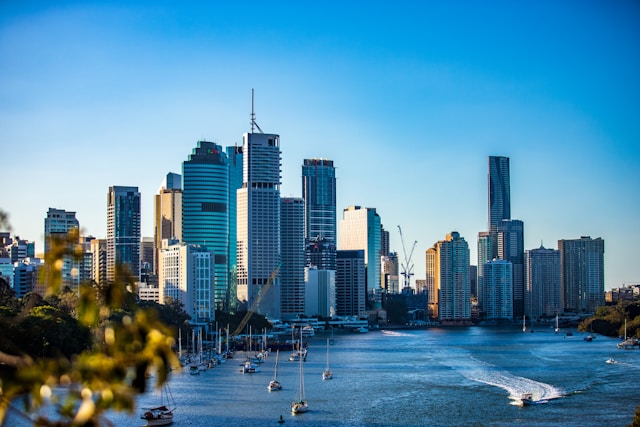

Australia’s luxury property market is undergoing a notable geographic shift as Brisbane strengthens its position as a premium lifestyle and investment destination, supported by waterfront development, international buyer interest, and rising demand for branded residential projects. The city is increasingly attracting high-net-worth individuals seeking long-term value in markets beyond Sydney and Melbourne, reshaping Australia’s high-end real estate landscape.
At the centre of this momentum is a growing pipeline of luxury residential developments along Brisbane’s riverfront precincts, particularly in South Bank, New Farm, Hamilton, and the emerging Northshore redevelopment zone. These areas are evolving into high-density luxury enclaves that combine premium apartments, lifestyle amenities, and integrated retail and hospitality experiences.
According to recent industry data, Brisbane’s luxury property segment has seen sustained price growth over the past year, driven by limited supply, infrastructure investment, and rising interstate migration. The city’s positioning as a future Olympic hub ahead of the Brisbane 2032 Games is also accelerating investor confidence in long-term capital appreciation across premium residential assets. (brosdaandbentley.com)
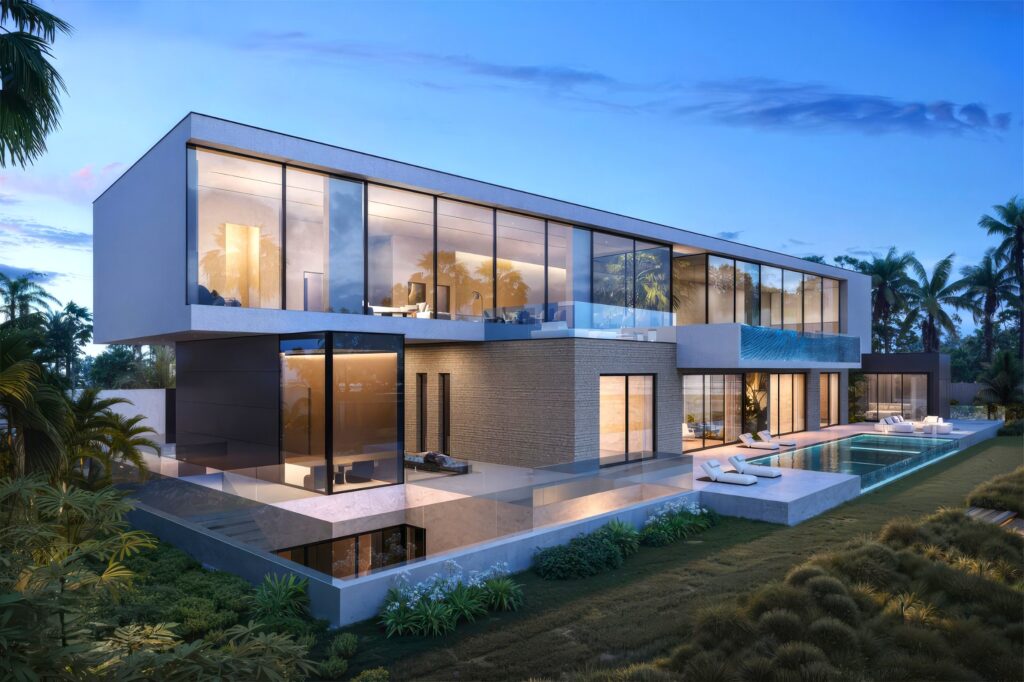
A key driver of this shift is the increasing presence of branded residences and developer-led luxury lifestyle projects, where hospitality-style services are integrated directly into residential living. These developments are redefining luxury expectations in the Brisbane market, moving beyond traditional apartment ownership toward fully serviced, experience-led living environments.
Market analysts note that Brisbane is benefiting from a structural redistribution of luxury demand across Australia, as buyers seek relative value compared to Sydney’s premium pricing cycle. This trend has led to increased competition for waterfront and river-facing properties, particularly in tightly held inner-city suburbs where new supply remains constrained.
The city’s luxury growth is also being supported by major infrastructure upgrades, including transport expansion projects, riverfront revitalisation initiatives, and commercial precinct development. These improvements are strengthening connectivity between residential zones and business districts, enhancing Brisbane’s appeal as both a lifestyle and investment destination.
Recent luxury real estate trends across Australia indicate that demand is increasingly concentrated in lifestyle-driven markets with strong fundamentals such as walkability, waterfront access, and proximity to cultural infrastructure. Brisbane’s urban design evolution aligns closely with these preferences, positioning it as a competitive alternative to traditional luxury hubs.
High-end buyers in Brisbane are also showing increased interest in larger-format residences, penthouses, and low-density luxury apartments that offer privacy, space, and amenity-rich living. Developers are responding with designs that emphasize wellness infrastructure, private recreation zones, and concierge-style services that mirror global luxury standards.
The city’s luxury rental segment is also expanding, driven by executive relocations, corporate mobility, and international professionals entering Queensland’s growing industries, including infrastructure, energy, and education. This has contributed to rising rental yields in select premium precincts, further strengthening investor interest.
At the same time, Brisbane’s luxury market is becoming more globally connected. International buyers are increasingly viewing the city as a secondary gateway market within Australia, particularly due to its affordability relative to Sydney and its long-term growth trajectory linked to tourism, infrastructure, and global events.
Developers and industry stakeholders are also placing strong emphasis on sustainability and environmental integration within luxury projects. New residential developments are incorporating energy-efficient design systems, green building materials, and climate-resilient architecture to align with evolving buyer expectations and regulatory frameworks.
Despite strong momentum, the luxury segment in Brisbane still faces constraints related to land availability, planning approvals, and construction costs. However, these limitations are simultaneously contributing to scarcity-driven value appreciation in the city’s most desirable precincts.
Market experts suggest that Brisbane’s luxury property cycle is still in an early expansion phase compared to more mature markets like Sydney and Melbourne, meaning there is significant runway for continued growth if infrastructure development and population inflows remain consistent.
Broader Australian real estate trends also show that wealth migration and lifestyle-driven relocation patterns are reshaping demand distribution across major cities. Buyers are increasingly prioritizing lifestyle quality, climate, and long-term livability over traditional metropolitan prestige, a shift that directly benefits Brisbane’s positioning in the luxury segment.
As the city continues to evolve, its luxury real estate market is expected to be shaped by three core forces: infrastructure-led growth, waterfront redevelopment, and international investor participation. Together, these dynamics are positioning Brisbane as one of Australia’s most closely watched emerging luxury property markets heading into 2026 and beyond.
With sustained demand, limited premium supply, and long-term urban transformation underway, Brisbane is steadily transitioning from a secondary property market into a fully established luxury real estate destination within Australia’s evolving high-end housing ecosystem.