

From energy efficient AI factories and intelligent operating systems to AI powered networks and 6G innovation, ZTE presents a complete ecosystem designed to make AI deployment faster, smarter, and more sustainable
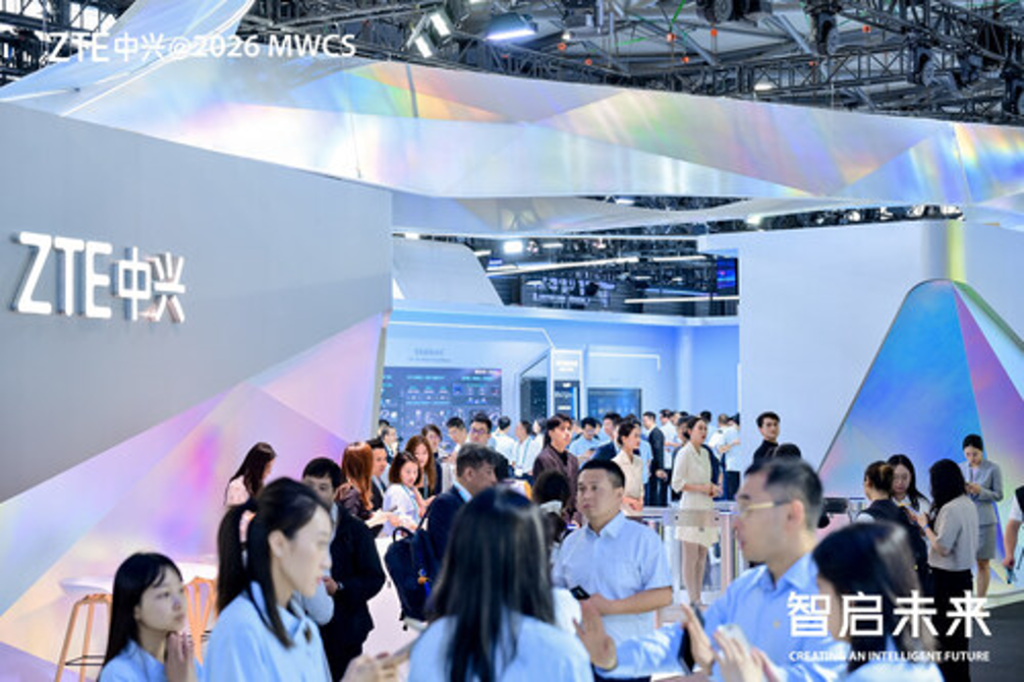
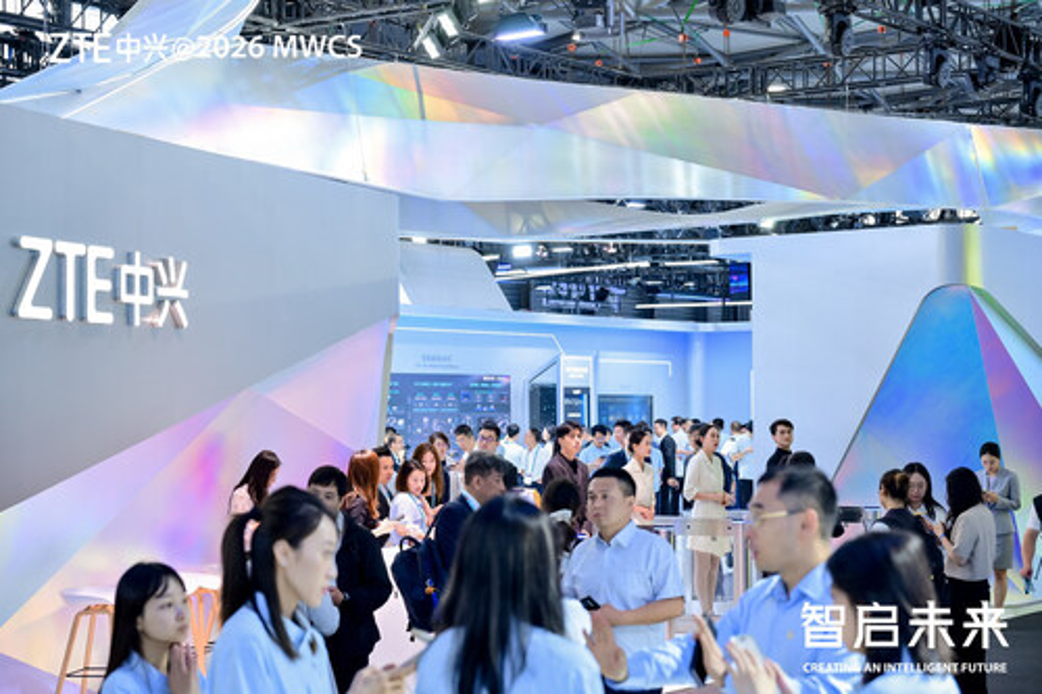
Artificial intelligence is no longer defined by the sheer amount of computing power it can command. The next chapter of AI is being shaped by how efficiently that computing power can be converted into meaningful outcomes. At MWC Shanghai 2026, global information and communications technology leader ZTE Corporation demonstrated how it intends to lead that transition by unveiling a comprehensive AI ecosystem designed to optimise every stage of the AI value chain.
The company’s showcase moved well beyond hardware announcements. Instead, it presented a vision where computing infrastructure, software platforms, intelligent devices, communications networks, and future 6G technologies operate as a unified ecosystem.
The announcement reflects a broader shift taking place across the technology industry. Enterprises are increasingly seeking AI infrastructure that delivers measurable business value rather than simply higher processing capacity. Similar conversations around enterprise AI adoption, digital transformation, and next generation infrastructure continue to shape technology discussions across World Economic Magazine, particularly as organisations search for scalable and sustainable AI strategies.
Building AI Around Token Efficiency
As AI applications become increasingly inference driven, efficiency has become the industry’s new competitive advantage.
Rather than focusing exclusively on computational scale, ZTE introduced an architecture centred on improving token production while reducing operational costs. The company described this approach as a Total Cost of Ownership (TCO) optimal AI factory that combines computing, networking, storage, software, and energy management into a single integrated platform.
Among the key innovations unveiled was SuperPod, a high density computing solution developed from more than four decades of engineering expertise.
Designed using ZTE’s Orthogonal Electrical eXchange architecture, SuperPod supports plug and play deployment while accommodating up to 128 GPUs within a single rack. The platform can be expanded to support as many as 16,000 GPUs, providing the scalability required for increasingly demanding AI training and inference workloads.
ZTE also demonstrated how advanced networking technologies such as non blocking architectures and Global Server Load Balancing enable computing clusters comprising thousands of GPUs to operate more efficiently.
Sustainability remained central throughout the presentation.
Its AI data centre solution integrates 800V high voltage direct current power systems, liquid cooling technologies, and intelligent energy optimisation to improve operational efficiency while lowering energy consumption. The approach aligns with the growing emphasis on greener digital infrastructure, an area increasingly influencing investment strategies across global technology markets.
Introducing NewStart AIOS
Infrastructure alone is not enough to unlock AI’s potential.
To bridge the gap between computing power and real world applications, ZTE introduced NewStart AIOS, describing it as the technological foundation for the AI era.
The platform functions as an intelligent operating environment that manages AI resources, orchestrates workloads, and enables AI services across enterprise, consumer, and industrial applications.
Integrated into the platform is Co Claw, an enterprise level AI agent capable of supporting intelligent workflows, research activities, office productivity, and automated decision making.
For enterprises, the platform aims to improve operational efficiency by enabling self evolving workflows capable of adapting to changing business environments.
For consumers, AIOS extends across multiple device categories.
ZTE showcased AI enabled smartphones, cloud PCs, smart displays, connected home devices, and intelligent assistants capable of delivering personalised experiences across work, entertainment, and daily life.
The result is an ecosystem where AI services become more accessible regardless of whether users are operating within businesses, homes, or mobile environments.
This emphasis on integrated AI ecosystems mirrors broader trends highlighted across World Economic Magazine, where technology vendors are increasingly competing on complete digital platforms rather than standalone products.
AI Networks Prepare the Road to 6G
Perhaps the most ambitious part of ZTE’s showcase focused on the future of communications infrastructure.
The company argued that 6G represents more than faster wireless connectivity. Instead, it will become the underlying infrastructure supporting AI powered economies.
As part of that strategy, ZTE demonstrated several technologies designed to accelerate the transition from today’s 5G Advanced networks toward fully AI native communications.
Among them was its GigaMIMO solution together with what the company described as the world’s first 256 TR U6G prototype.
These technologies seek to improve network capacity, coverage, and spectrum efficiency while preparing communications infrastructure for future AI applications.
Satellite communications also featured prominently.
ZTE introduced Low Earth Orbit satellite communication payload solutions capable of supporting future Space Air Ground Integrated Networks, helping create seamless connectivity between terrestrial and satellite systems.
The company believes these developments will become increasingly important as AI applications demand uninterrupted global connectivity.
Smarter Networks for an AI Economy
Beyond future technologies, ZTE also unveiled several practical networking solutions intended for immediate deployment.
The company’s AIR MAX platform introduces AI directly into network architecture through autonomous operations, intelligent infrastructure management, and new monetisation capabilities.
Its AI HI NET solution combines high speed networking with integrated security features to support large scale intelligent computing.
Meanwhile, ZTE’s expanding 10G AI Optical Network continues to enable ultra fast connectivity across residential communities, business campuses, and enterprise environments.
The company also demonstrated practical AI enabled applications including intelligent mobile services, AI assisted calling, autonomous network management, and integrated sensing technologies supporting emerging sectors such as the low altitude economy.
Collectively, these innovations reflect an industry increasingly focused on embedding intelligence directly into communications infrastructure rather than treating AI as a separate layer.
A Complete AI Value Chain
Rather than introducing isolated products, ZTE’s presentation highlighted an interconnected strategy that spans AI production, deployment, orchestration, and delivery.
From energy efficient AI factories and intelligent operating systems to advanced communications networks and future ready connectivity, the company is positioning itself as a provider of end to end AI infrastructure.
As enterprises continue investing heavily in AI, the companies most likely to succeed may be those capable of delivering integrated ecosystems rather than individual technologies.
With token efficiency, sustainability, intelligent automation, and AI native networking now becoming central priorities, ZTE’s latest announcements suggest that the future of artificial intelligence will be defined as much by infrastructure architecture as by the models themselves.
Key Takeaways
• ZTE introduced a comprehensive AI ecosystem covering infrastructure, software, networking, and intelligent devices.
• The new SuperPod platform is designed to improve AI performance while reducing the overall cost of token production.
• NewStart AIOS serves as the company’s AI operating system for enterprises, homes, and individual users.
• AI native networking, satellite communications, and 6G technologies formed a major focus of the company’s MWC Shanghai showcase.
• Sustainability, energy efficiency, and intelligent automation remain central pillars of ZTE’s long term AI strategy.
More:
- ZTE: https://www.zte.com.cn/global/
- MWC Shanghai: https://www.mwcshanghai.com/