
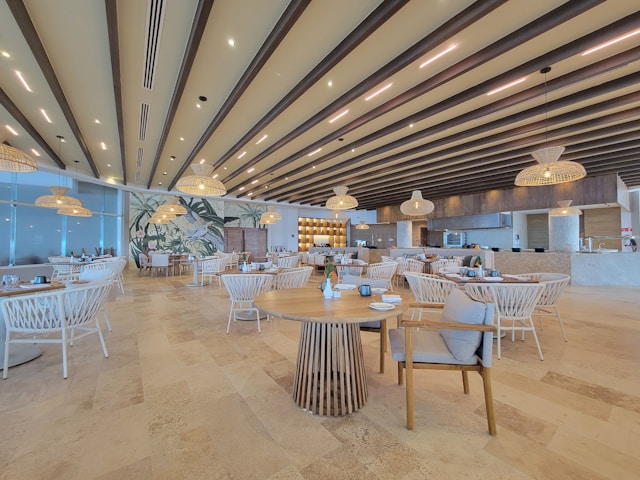

The U.S. travel and hospitality industry is continuing its strong post-pandemic transformation as Marriott International accelerates expansion across luxury hospitality, branded residences, and experiential travel destinations in response to rising consumer demand for premium and experience-led tourism.
The global hospitality company recently announced a series of strategic developments across its luxury and lifestyle portfolio, reinforcing its long-term confidence in the American travel market despite ongoing economic uncertainty and evolving consumer spending patterns.
According to recent company updates, Marriott International signed a record number of luxury hotel and branded residential agreements during the first quarter of 2026, with significant growth concentrated across North America, particularly in high-demand leisure and business-travel destinations.
Industry analysts say the company’s aggressive expansion reflects a broader shift taking place within the global travel sector, where travelers are increasingly prioritizing personalized experiences, wellness tourism, extended stays, premium accommodations, and destination-driven travel over traditional standardized hospitality models.
Marriott executives stated that luxury and lifestyle properties now represent one of the company’s fastest-growing business segments globally. Brands including Ritz-Carlton, St. Regis, W Hotels, Edition, JW Marriott, and Luxury Collection have seen rising demand from affluent travelers seeking immersive experiences and premium service offerings.
Source: https://www.marriott.com/marriott-brands.mi?
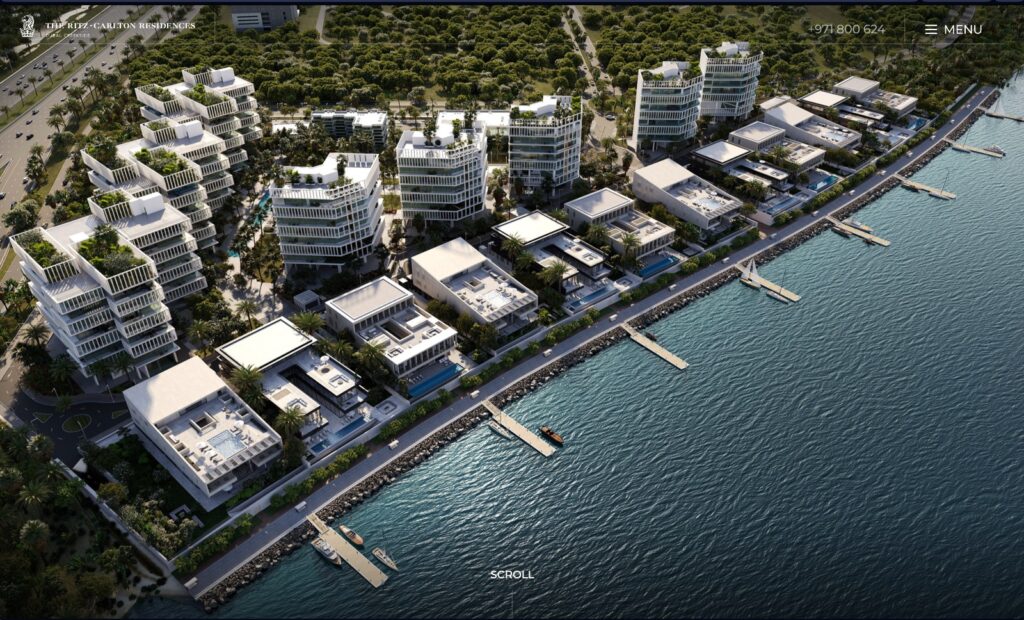
The latest expansion strategy includes new developments across resort destinations, urban luxury markets, and mixed-use hospitality projects integrating residential, retail, wellness, and entertainment experiences. Company leadership indicated that branded residences connected to luxury hospitality brands are becoming an increasingly important revenue driver as wealthy consumers seek long-term lifestyle investments linked to globally recognized travel brands.
The company also emphasized that demand for premium travel experiences within the United States has remained particularly strong, supported by resilient consumer spending and continued recovery in both leisure and corporate travel activity.
According to the U.S. Travel Association, domestic travel spending in the United States is projected to exceed pre-pandemic levels again in 2026, with luxury travel, group tourism, conferences, and experiential travel categories showing especially strong momentum.
Executives at Marriott International noted that travelers are increasingly prioritizing meaningful and customized experiences over traditional travel patterns. Wellness-focused resorts, culinary tourism, eco-conscious accommodations, and culturally immersive destinations have become major growth areas within the hospitality industry.
The company’s recent development pipeline also reflects changing traveler preferences toward longer stays and blended business-leisure travel, commonly referred to as “bleisure” tourism. Marriott stated that extended-stay and premium lifestyle properties are seeing particularly strong occupancy rates across major U.S. business and leisure markets.
Industry observers believe this shift is reshaping the broader American travel economy. Hotels are increasingly evolving into integrated lifestyle destinations offering coworking spaces, wellness facilities, high-end dining, digital concierge services, and curated local experiences rather than functioning solely as accommodation providers.
Technology and digital transformation are simultaneously becoming central to the hospitality sector’s growth strategy. Marriott has continued investing heavily in AI-driven guest personalization, mobile-first booking systems, digital room access, and loyalty-platform expansion to improve customer retention and operational efficiency.
The company’s Marriott Bonvoy loyalty platform now includes more than 220 million global members, making it one of the world’s largest travel loyalty ecosystems. Analysts say loyalty-driven travel spending has become a major competitive advantage for large hospitality groups as consumers increasingly seek integrated travel and lifestyle experiences.
The expansion also comes amid rising investment into U.S. tourism infrastructure and travel-related development projects. Major American cities and resort regions are continuing to attract significant hotel investment due to improving tourism flows, international visitor recovery, and strong domestic travel demand.
Luxury hospitality has emerged as one of the strongest-performing segments within the broader travel market. Research groups tracking global tourism trends indicate that affluent travelers are spending more on high-end accommodations, curated experiences, sustainable tourism, and wellness-focused travel compared to previous years.
Economic analysts note that premium travel spending in the United States has remained relatively resilient despite broader concerns surrounding inflation and higher interest rates. Higher-income travelers continue supporting strong demand across luxury resorts, premium airlines, cruises, and destination experiences.
Marriott International’s expansion strategy also reflects increasing competition among major hospitality brands seeking dominance within the high-margin luxury and lifestyle travel category. Companies across the global hotel industry are racing to expand premium offerings as travelers prioritize exclusivity, personalization, and brand-driven experiences.
Sustainability is meanwhile becoming another major focus area across the hospitality industry. Marriott recently highlighted new environmental initiatives tied to energy efficiency, sustainable sourcing, carbon reduction, and responsible tourism practices across multiple properties worldwide.
Travel industry experts say environmental responsibility is increasingly influencing consumer decisions, particularly among younger and affluent travelers seeking eco-conscious hospitality experiences. Hotels and travel brands are now under growing pressure to balance luxury offerings with sustainability commitments and transparent environmental standards.
The broader U.S. travel industry is also benefiting from improved international connectivity and rising airline capacity. American airports and tourism boards have reported steady increases in inbound international travel as visa processing times improve and global travel restrictions continue easing across key markets.
Business travel, which faced prolonged disruption during remote-work expansion, has also shown renewed momentum. Conference bookings, corporate events, and international business tourism have gradually recovered, particularly within sectors including technology, finance, healthcare, and manufacturing.
Despite the positive outlook, industry analysts caution that challenges remain. Rising operational costs, labor shortages, insurance expenses, and global economic uncertainty continue affecting profit margins across parts of the hospitality sector. Geopolitical tensions and fluctuating fuel prices may also influence future travel demand and airline pricing globally.
Nevertheless, companies such as Marriott International appear increasingly confident that premium and experience-led tourism will continue driving long-term growth within the U.S. travel economy.
Executives believe the future of hospitality will be shaped less by standardized travel products and more by personalized, technology-enabled, and lifestyle-focused experiences designed around evolving traveler expectations.
As the global travel industry enters its next phase of transformation, Marriott’s continued investment into luxury hospitality, branded residences, and experiential tourism is being viewed as a strong indicator of confidence in the long-term strength of the American travel market.
With consumer demand shifting toward premium experiences, wellness tourism, and destination-led travel, the U.S. hospitality industry is expected to remain one of the world’s most competitive and dynamic tourism markets throughout 2026.